Autumn in Dublin: Quieter Streets and Better Hotel Rates

Why September to November is Dublin’s smartest season for hotel value, how the light and crowds change, and which areas to book when the summer rush has gone.
Why autumn changes the hotel maths
Dublin’s hotel calendar has two peaks: summer, roughly June to August, and the December run-in to Christmas. Autumn sits in the trough between them, and that trough is where you find the value. From late September, when the school term is back and business travel has not yet ramped, midweek rates in the city centre often soften noticeably against July and August. Exact figures move year to year and depend on events, so check a few dates rather than trusting any single quote.
The bigger saving is often in the shape of your stay. Autumn rewards Sunday-to-Thursday bookings far more than summer does, when weekend demand stays high. If you can shift your trip to arrive on a Sunday or Monday, you may see the same room at a materially lower rate than the Friday night price. Ask the hotel directly whether a midweek rate applies across your whole stay, because booking engines sometimes apply the discount to only part of it.
Late October and early November are quieter again, with a short spike around the bank holiday weekend at the end of October. If your dates are flexible, the week after that holiday is often one of the calmest and best-value stretches of the year. None of this is guaranteed: a single large event can tighten availability fast, so book early enough to compare and late enough to see real rates.
Quieter streets, and where that helps most
The summer crowds thin across the centre, but they thin unevenly. Temple Bar stays busy into the evening all year, because its draw is the pubs rather than the weather. Grafton Street remains a shopping street first, so a Tuesday in October feels different from a Saturday in July but never empty. If quiet is the goal, aim your walks at weekday mornings, when the shopping streets and O’Connell Street are at their most workable.
Autumn is the season to give the Georgian squares and the Liberties more of your time. St Stephen’s Green in October holds colour in the trees and benches that are easier to find, and Merrion Square’s Georgian terraces read better in low autumn light than in summer glare. The Liberties around St Patrick’s and Christ Church rewards a slow walk; weekday afternoons mean you are not queuing behind tour groups at every corner.
The Docklands and Smithfield suit autumn evenings, when indoor venues and riverside walks compete for your attention and neither is rammed. Trinity College’s campus is calmer too, though the Book of Kells exhibition can still sell out, so book a timed slot rather than assuming autumn means walk-in access. The general pattern: fewer people, shorter queues, and more room to actually look at things.
What the weather actually does
Ireland’s autumn is mild and changeable rather than dramatic. Expect temperatures that feel cool rather than cold, frequent short showers, and wind that picks up as the season advances. The light fades early by November, with sunset arriving in the late afternoon, which matters when you plan walks or day trips. Bring a waterproof layer you can carry, not an umbrella you will fight with in the wind.
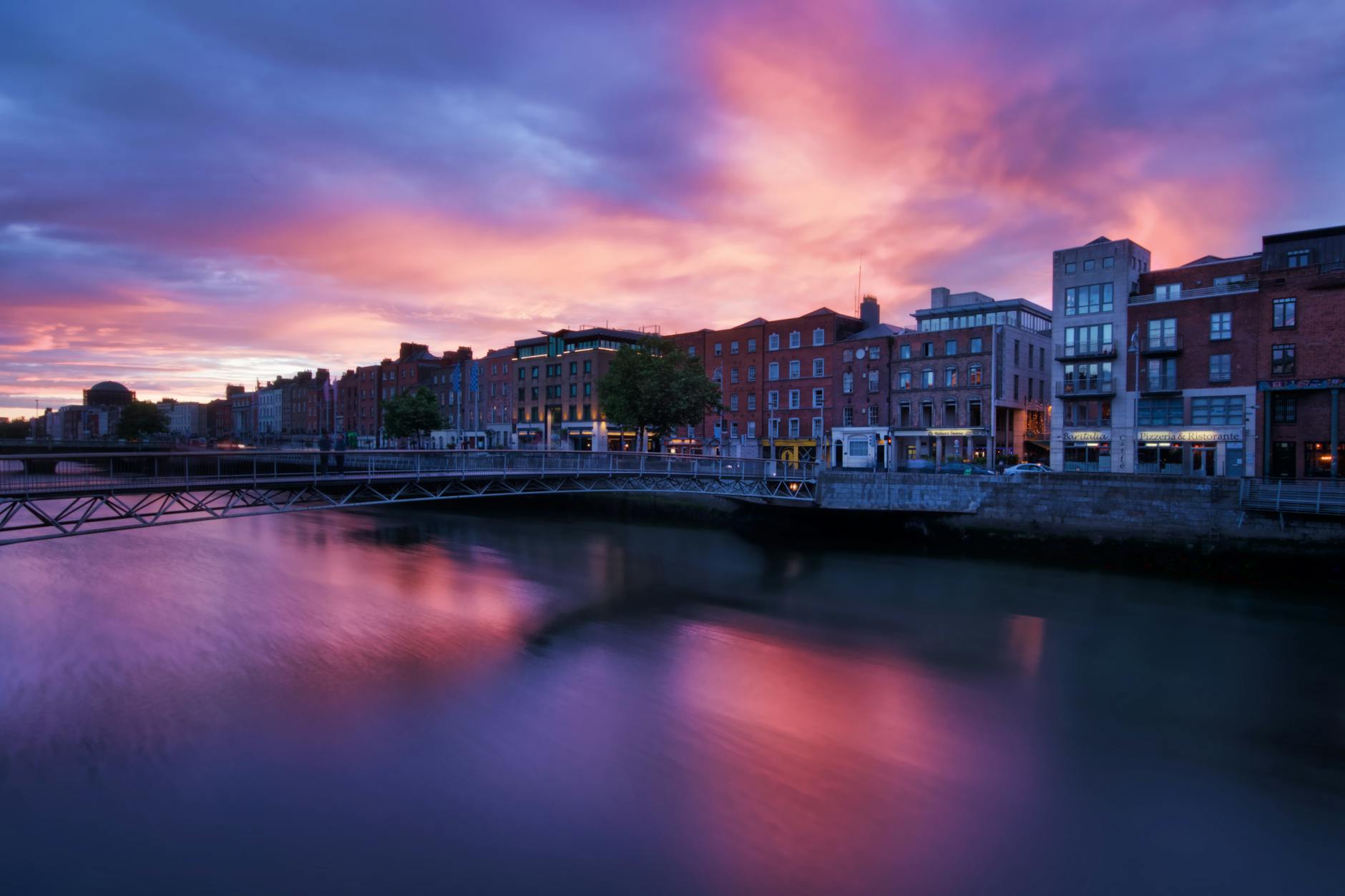
The upside of the changeable weather is atmosphere. Low sun on wet Georgian brick, mist over the Liffey, and the first evenings when pub windows glow are genuinely part of the appeal. Build your days around indoor anchors: a museum, a gallery, a long lunch, a distillery or brewery tour, then treat any dry spell as a bonus for walking. That way a shower costs you nothing.
Footwear matters more than a coat. Dublin’s pavements, especially around older streets and cobbled lanes, get slick and hold puddles. Waterproof shoes with grip will do more for your trip than any number of layers. Pack for layering rather than bulk, because heated interiors and stuffy pubs will have you shedding the outer layer within minutes of sitting down.
Which area to book for an autumn stay
For first-timers who want to walk everywhere, the Trinity College Area and St Stephen’s Green put you between the shopping streets and the Georgian squares, with Grafton Street on the doorstep. Autumn rates here can be better than summer but this remains premium ground, so compare midweek dates carefully. Temple Bar suits people who want the nightlife on their doorstep and will accept noise in exchange; it is rarely the cheap option.
For value without leaving the centre, look at O’Connell Street and the streets around it. It is a transport spine, so buses and the Luas make the rest of the city easy, and hotel stock is larger. Smithfield and the Docklands offer a newer, quieter base with good tram links and a short walk to the centre. The Liberties is the pick if you want character and are comfortable with a slightly grittier streetscape.
If you want residential calm, Rathmines and Ranelagh are both short hops from the centre by tram or bus, with their own restaurants and pubs, and autumn is a good time to enjoy them without summer queues. Ballsbridge suits anyone here for an event at the Aviva or the RDS, where autumn fixtures can affect rates, so check the calendar before booking. Georgian Dublin around Merrion Square is the quiet, handsome choice for a slower trip.
Getting the rate right: practical booking moves
Book direct where you can, and ask. Autumn is soft enough that hotels may have flexibility on room type, breakfast inclusion or cancellation terms that the booking sites do not show. A short email asking about midweek rates, longer-stay discounts or an upgrade costs nothing and sometimes works. Compare the direct price with the aggregator price before you commit, because the cheaper option is not always the direct one.
Watch the calendar for events. Autumn brings rugby at the Aviva, concerts, conferences and the marathon weekend, any of which can spike prices in specific areas for specific nights. A rate that looks high may simply be an event night surrounded by cheap ones; shifting by a day can change everything. Check your dates against a general events listing for the city before you decide the city is expensive.
Be realistic about what breakfast and location are worth. A cheaper room a fifteen-minute walk or two tram stops from the centre often beats a central room at a premium, especially in mild autumn weather when walking is pleasant. Ask about luggage storage for arrival and departure days, which lets you book an early flight and still use the day. Prices quoted are in euro; for larger amounts, expect to convert to USD when budgeting.
An autumn itinerary that fits the season
Start with a weekday morning walk through the Georgian squares, then a timed visit to a museum or the Book of Kells, keeping the indoor slot for the likeliest rain window. Afternoon light in October is kind to the Liffey quays and the bridges, so save a riverside stroll for then. Finish with an early pub dinner rather than a late one, since darkness comes sooner and you will want the walk back to be easy.
Give one day to the Liberties and one to the Docklands and Smithfield, both of which reward unhurried time. A day trip out of the city is easier in autumn than summer because transport is less crowded; ask your host about the best value return ticket rather than buying on the day. Keep one flexible day for whatever the weather decides for you, which is the honest way to plan an Irish autumn.
Evenings are where autumn earns its reputation. Pub sessions, small music venues and theatre all come into their own when the nights draw in, and you do not need to be in Temple Bar to find them. Ask at your hotel for what is on locally rather than defaulting to the tourist strip. The season’s real gift is that the city feels lived-in again, and a slower pace suits it.
Before you book
What people ask before booking The Liberties.
Generally yes, especially midweek from late September and again in early November, because the summer and Christmas peaks have passed. Weekend rates stay firmer and specific events can spike prices for single nights, so compare a few dates rather than assuming. Booking direct and asking about midweek or longer-stay rates often beats the listed online price.
September still holds mild weather and longer evenings but is busier. October balances colour, quieter streets and decent value, though the bank holiday weekend at the end of the month gets busy. Early November is often the calmest and cheapest stretch, at the cost of early darkness and cooler, wetter days.
No, but expect frequent short showers and changeable days rather than constant rain. Temperatures feel cool rather than cold. Pack a packable waterproof jacket and grippy waterproof shoes, and plan indoor anchors for each day so a shower does not ruin your plans. Dry spells between showers are common and worth using for walks.
It is wise to. Autumn is quieter than summer, but popular timed-entry sites can still sell out, particularly at weekends and around bank holidays. Book a slot for the day you want and keep it flexible in your plan. Many museums are free or low cost and need no booking, so mix timed visits with drop-in ones.
O’Connell Street and its surrounding streets usually offer the most central availability at moderate prices, with good bus and tram links. Smithfield and the Docklands are quieter, newer-feeling and well connected. Temple Bar and St Stephen’s Green are premium and rarely the cheap choice, though midweek autumn dates can soften them.
Layers rather than bulk, a waterproof jacket you can carry, and waterproof shoes with grip for wet pavements. Add a warm mid-layer for evenings and a small day bag for the showers you will shed layers for. Heated interiors and busy pubs mean you will want to remove the outer layer quickly, so avoid heavy coats you cannot carry.