Docklands
Dublin’s newly built riverside quarter, where glass offices, the Liffey boardwalk and the docklands rail links put the modern city on your doorstep.
 Docklands
Why people stay in Docklands
Docklands runs along both banks of the River Liffey east of O’Connell Street and the Custom House, covering the old docklands and the newer Grand Canal Dock area near the mouth of the canal. It is the part of central Dublin that was rebuilt in the last few decades, so the streetscape is glass office blocks, apartment buildings and broad quays rather than Georgian terraces. The two halves, north of the river around Spencer Dock and south around Grand Canal Dock, are joined by bridges including the Samuel Beckett Bridge, and both are within walking distance of the city centre core.
It suits people who want a quiet, modern base close to the river, business travellers, and anyone who likes walking along water in the evening. It is also handy for visitors combining the city with events at the larger venues in the area. It does not suit travellers who want traditional pub streets and old architecture on their doorstep, or those who prefer to be in the middle of the shopping and nightlife districts, because Docklands is more spread out and quieter after office hours in parts.
During weekdays the area hums with office workers, coffee queues and lunchtime walks along the boardwalk. By evening the crowds thin quickly on the northern side, while Grand Canal Dock keeps some life in its bars and restaurants. Weekends are noticeably calmer, which some guests love and others find a little empty. The river is the constant, and the light on the water at sunset is genuinely good, especially from the bridges and the boardwalk benches.
The main axes are the north and south quays, the boardwalk running along the south bank, and the streets around Grand Canal Dock with its water basin. Landmarks include the Custom House, the Convention Centre with its glass frontage, the Samuel Beckett Bridge and the campshire walls of the old docks. Everyday life is offices, apartment dwellers, joggers and cyclists using the riverside routes. It is a working, residential and business district rather than a tourist zone, and that is part of its appeal.
Food here is mostly modern: hotel restaurants, casual lunch spots serving the office crowd, and a cluster of bars and eateries around Grand Canal Dock. You will find good coffee and quick lunches on weekdays, and a handful of places that stay open for dinner and drinks. For a wider choice of traditional pubs and cheaper eats, walk west towards O’Connell Street or cross towards Trinity College. Ask your host for what is open at the weekend, as some weekday places close.
The weather is Dublin weather: changeable, with rain possible any month and the riverside wind making it feel cooler than the forecast suggests. Summer brings long evenings and the best conditions for walking the quays; winter is dark early but the office lights and river reflections give it atmosphere. Spring and autumn are pleasant and quieter. Bring a waterproof layer whatever the season, and expect the boardwalk to be breezy. There is no bad time to visit, but May to September is kindest for strolling.
Prices in Docklands are mid-to-upper for Dublin. Hotel rates reflect the business demand, so weeknights can be higher than weekends, which is the reverse of some leisure districts. Expect to pay more for a modern riverside room than for a basic room further west. Food and drink are priced for the office crowd, so a casual lunch is reasonable but dinner and bars are not cheap. Budget for taxis if you are staying far from a rail stop, and check whether your rate includes breakfast.
Know that Docklands is a spread-out area, so pick your hotel by its nearest transport stop rather than by the district name alone. The northern and southern halves feel different, and some streets are quiet at night. There are few convenience shops in the newest blocks, so stock up before late evening. It is family-safe and calm, with good riverside walking, but not a nightlife hub. Confirm check-in details and parking with your host, as on-site parking is limited and often charged.
For most visitors the best places to stay are around Grand Canal Dock on the south side, where you are close to the water basin, a cluster of bars and restaurants, and a rail stop, or along the south quays within walking distance of the Samuel Beckett Bridge. These spots give you riverside walks and quick links back to the centre while keeping evenings calm. The north side around Spencer Dock is quieter and more residential, good if you value peace and modern buildings over street life, but be aware some streets empty after office hours. Hotel types here are mostly modern chain and business hotels plus serviced apartments, with a few design-led options near the water. You will not find many small historic guesthouses. Quiet rooms tend to face away from the quays and the bridges; ask for a higher floor if traffic or event noise worries you. Price bands are mid-to-upper for Dublin, often higher on weeknights because of business demand. Expect roughly 150 to 280 euros (about 160 to 300 USD) for a double in a good modern hotel, more during major events, and less if you book a serviced apartment a little further from the water. Always confirm whether breakfast and parking are included, as both can add noticeably to the bill.
Things to do in Docklands

The boardwalk runs along the south bank of the Liffey and is the easiest way to see Docklands on foot, with the river on one side and the city on the other. It is flat and paved, good for all ages, and links the bridges so you can cross and return on the opposite quay. Go early morning or around sunset for the best light and fewer people. Allow about an hour for a leisurely out-and-back, bring a light rain jacket, and stop at the benches to watch the rowers and passing boats.

This cable-stayed bridge shaped like a harp is the landmark of the district and links the two banks near Grand Canal Dock. Walking across gives you wide views up and down the river and a sense of how the old docks have been rebuilt. It is free and quick, so combine it with a riverside loop rather than making it a trip on its own. Best at dusk when the lights come on. Hold onto hats on windy days, and mind cyclists who use the crossing.

The water basin at Grand Canal Dock is the social heart of the south side, ringed by modern buildings, bars and places to eat. It is a good spot for an evening drink or a casual meal after a day of sightseeing, and the water and lighting make it photogenic. Weekends are quieter than weekdays, so check opening times with your host. Allow an hour or two, and pair it with a walk along the canal towards the city if the weather is kind.

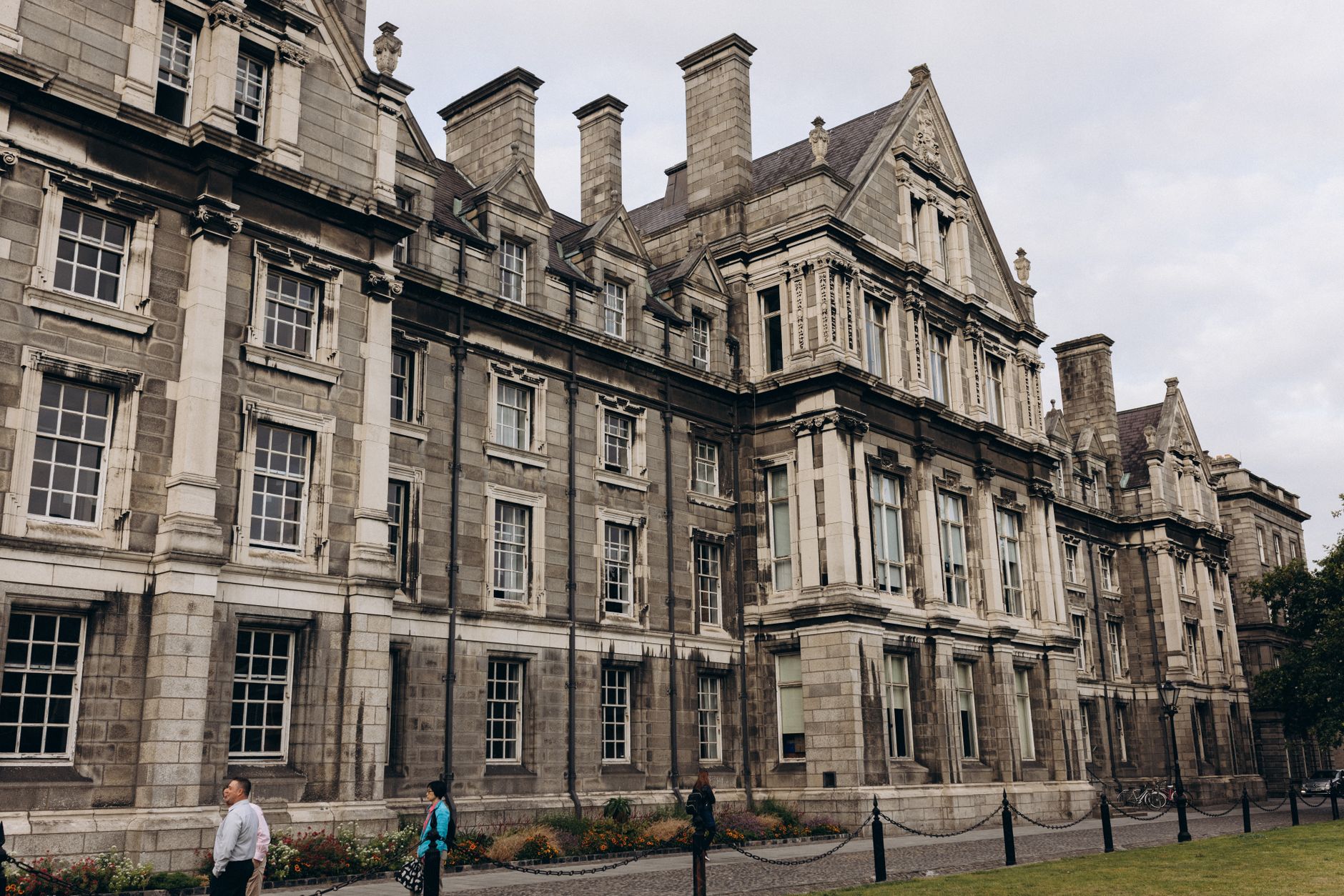
The Custom House is one of Dublin’s grandest older buildings and sits at the western edge of Docklands, so it makes a natural starting point for a riverside walk. The exterior with its dome and carved detail is worth a look even if you do not go inside. It is a short walk from the central streets and connects easily to the boardwalk. Go in daylight for the architecture, allow twenty to thirty minutes, and combine it with the nearby bridges for a fuller loop.
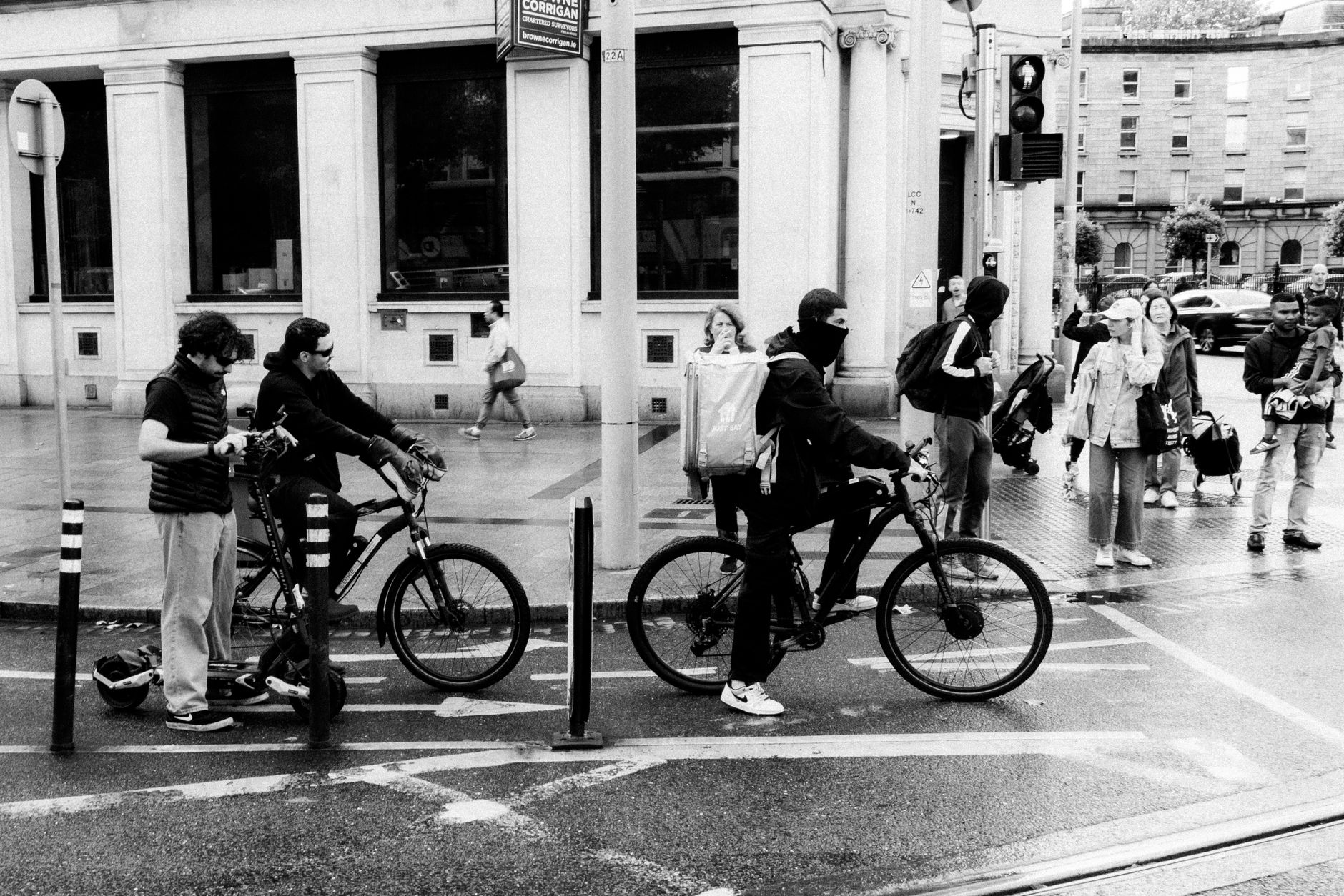
The quays and canal paths make Docklands one of the easier parts of the city to explore by bike, with mostly flat routes along the water. Bike-share schemes and rentals are available in the centre, and you can ride from the Custom House out towards the docks and back. It suits confident cyclists more than beginners because of traffic on the quays. Go on a dry morning, allow an hour, bring a lock, and use the marked cycle lanes rather than the footpaths.
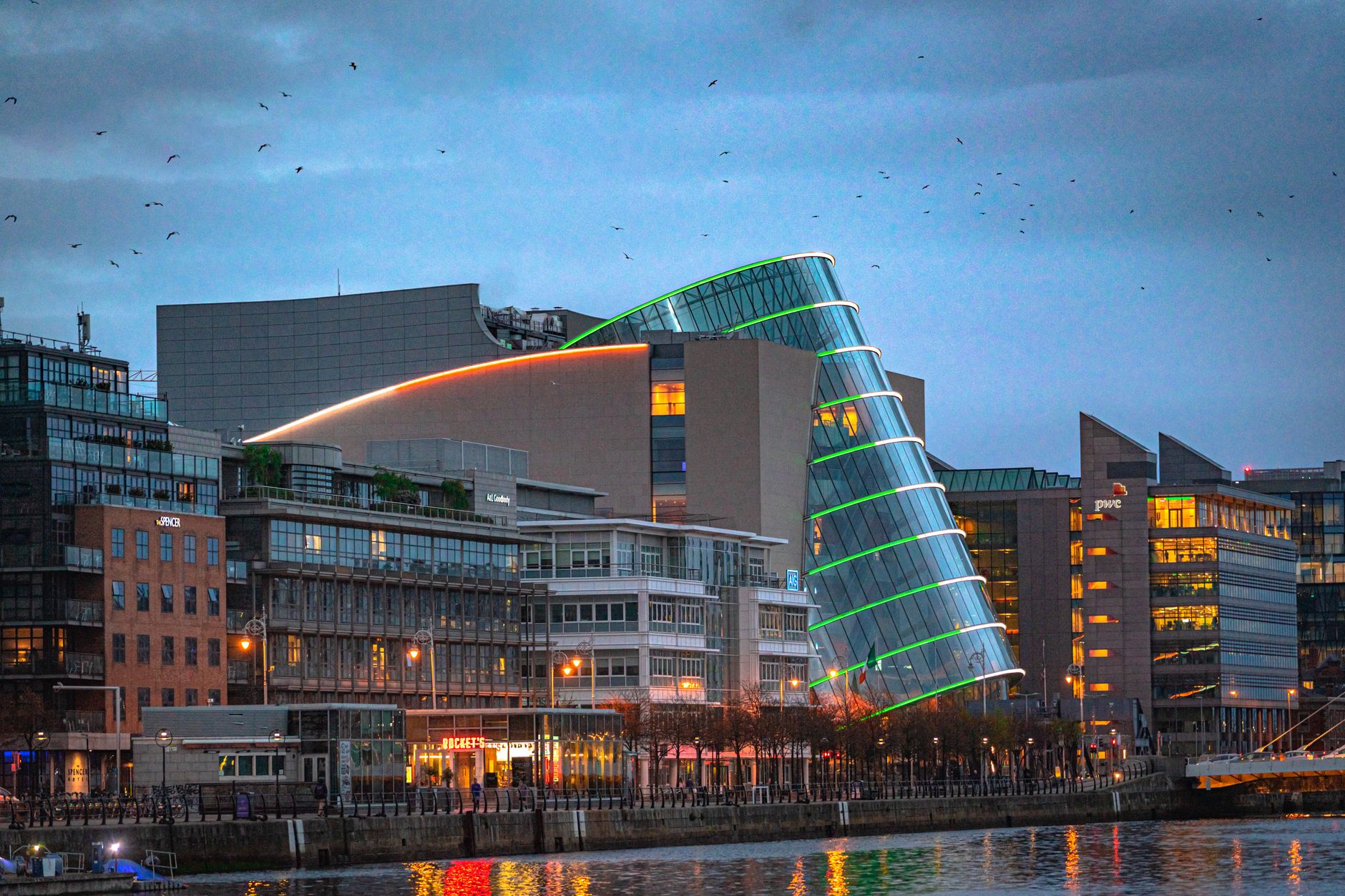
Docklands has a scattering of bars and hotel lounges where you can end the day with a drink and a river view, concentrated around Grand Canal Dock and the modern hotels. It is a calm alternative to the busier nightlife districts, good for couples and older travellers. Weekday evenings have more life than weekends in some spots, so ask locally. Expect city prices for drinks, allow an hour or two, and walk back along the lit quays rather than through quiet side streets late at night.
What to see
Hotels near Docklands
No hotels are listed in Docklands yet. The nearest ones are on the region page.


Getting around Docklands
Docklands is easy to reach from Dublin Airport by taxi or app in roughly 20 to 35 minutes depending on traffic, or by taking a bus or coach into the city centre and continuing on foot or by rail. The area is served by rail and tram stops on both sides of the river, including around Grand Canal Dock and the northern quays, which connect quickly to the central streets and to Connolly and Heuston stations for onward travel. Within Docklands, walking is the best way around: the quays, boardwalk and bridges make a compact loop, and most hotels are within ten to fifteen minutes of a stop. Driving is possible but parking is limited and often charged, so confirm with your hotel before bringing a car; the one-way quay system can also catch out visitors. Taxis and apps are plentiful near the office blocks on weekdays and scarcer at weekends. Allow ten to twenty minutes to walk between the two halves of the district, and more if you are heading to the far end near the canal basin. For families, the flat riverside paths are pushchair-friendly. Keep an eye on the wind on the bridges, and use lit main routes after dark.
Questions about Docklands
It works if you value quiet, modern hotels and riverside walks and do not mind a ten to twenty minute walk or short rail hop to the main sights. It is less ideal if you want traditional pubs and old streets right outside your door, because much of the district is new and spread out. Many first-timers prefer to stay closer to the centre and visit Docklands on a walk. If you do stay here, pick a hotel near a rail stop so you can move around easily.
The western edge near the Custom House is only about ten minutes on foot from O’Connell Street, while Grand Canal Dock is roughly twenty to thirty minutes' walk from Temple Bar, or a short rail or tram ride. The riverside route is flat and pleasant in good weather. At night, use the lit quays and main streets, or take a taxi for the return. It is close enough to walk in daytime but far enough that evenings here are calm.
There are places to eat and drink, mostly around Grand Canal Dock and inside the modern hotels, but some weekday-focused spots close or shorten hours at weekends. It is not a nightlife district, so evenings are quiet. Check opening times with your host or the hotel before you set out, and be ready to walk west towards the centre for a wider choice of traditional pubs. Booking ahead helps for dinner on busy event nights.
No. The area is flat and walkable, with rail and tram stops linking it to the rest of the city, and taxis and apps available near the office blocks. A car is a hindrance because parking is limited and often charged, and the one-way quay system can be confusing. Use public transport for longer hops and walk the riverside paths for the rest. If you arrive by car, confirm parking with your hotel before booking.
Expect mid-to-upper Dublin prices, often higher on weeknights because of business demand, which is the reverse of some leisure areas. A good modern double might run roughly 150 to 280 euros (about 160 to 300 USD), more during major events and less for a serviced apartment set back from the water. Breakfast and parking are often extra, so check what is included. Booking ahead and comparing the two banks of the river can save money.