Dublin on a Budget: Honest Hotel Prices and Free Things to Do
What Dublin hotels actually cost by area and season, where the free days out are, and how to keep food, transport and sightseeing spend low without missing the city.

What Dublin hotels really cost, area by area
Dublin hotel prices move more than most European capitals, and the gap between a Tuesday in February and a Saturday in June can be two or three times the rate for the same room. As a rough guide, expect a mid-range double in the city centre to start around €120-160 in low season and climb well past €250 (about $270) on summer weekends and around big events. Budget chains and guesthouses sit below that; four-star rooms in Ballsbridge or the Docklands sit above it.
Location changes the number as much as the calendar. Temple Bar and the streets around Grafton Street carry a premium for being in the middle of everything, while Rathmines, Ranelagh and the Liberties often give you a similar room for less, with a short bus or Luas ride into the centre. Ballsbridge is quiet and pricey in its own way, but it works well if you are here for a match or a concert at the Aviva.
Always price the total, not the nightly rate. Dublin hotels commonly add a city, or room, tax on top, and some quote room-only rates that look cheap until breakfast and parking are added. Check whether breakfast is included, whether cancellation is free, and whether the hotel is on a direct bus or Luas line. Ask your host directly for the all-in figure for your dates; a quick email often turns up a better rate than the booking site shows.
When to come to pay less
January and February are the cheapest months, outside New Year and any big rugby weekends. The weather is grey and wet but the museums, pubs and galleries are open and the queues are short. November, after the mid-term break, is another softer patch before Christmas markets push prices up in December.
Avoid the weekends of major sporting fixtures, concerts and bank holidays if you are watching the budget. St Patrick’s Day in March and the June bank holiday weekend are the two periods when central rooms spike hardest, and accommodation books out early. If your dates are fixed, book four to six months ahead for summer and you will usually beat the last-minute price.
Midweek stays are consistently cheaper than Friday and Saturday, so if you have any flexibility, shift your trip to Sunday to Thursday. Many city hotels also drop rates for stays of two or more nights, so it can be worth comparing a three-night midweek break against a two-night weekend. Ring the hotel if the online rate looks odd; reception staff can often match or improve a published price for a direct booking.
Free things to do in the city centre
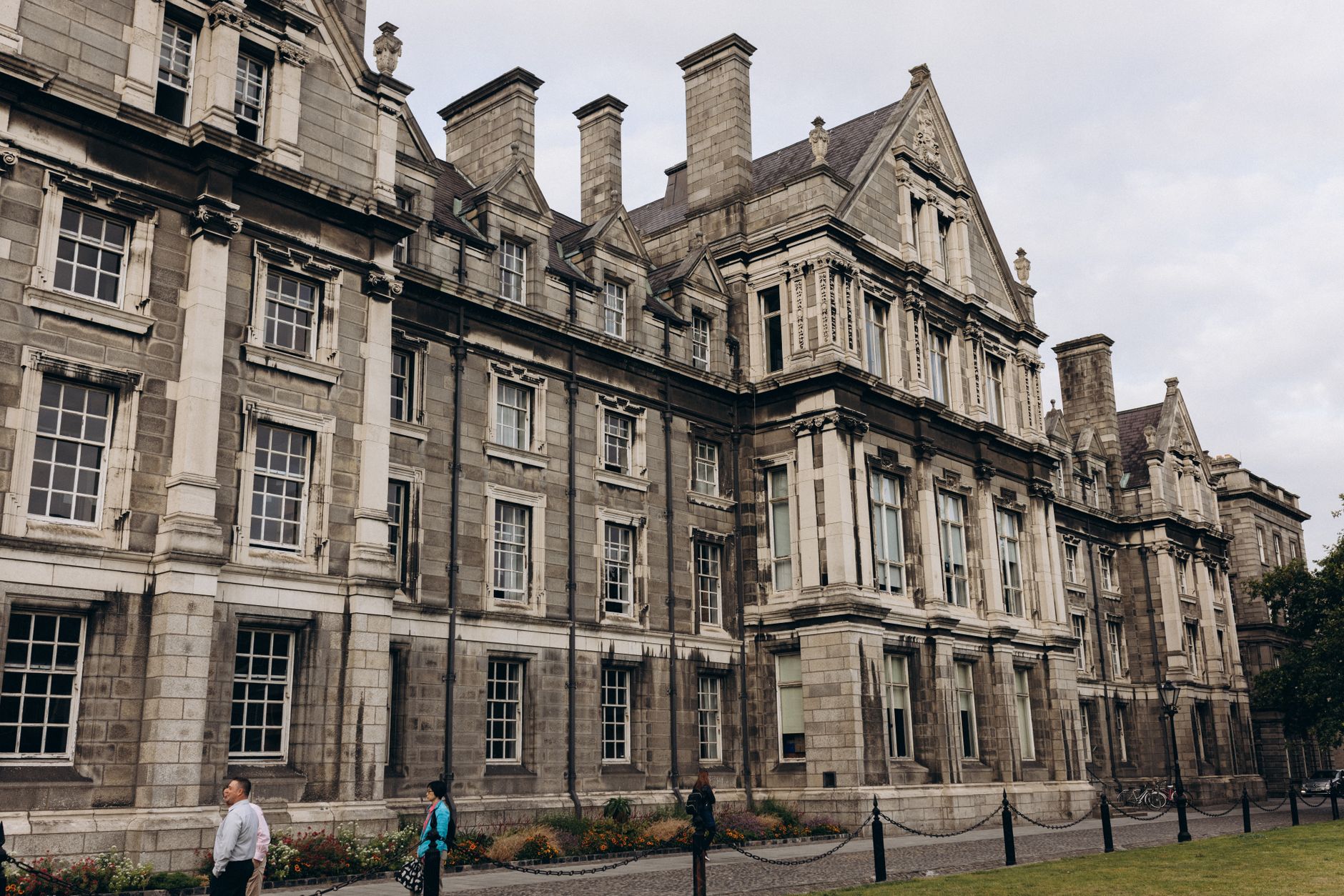
Dublin’s best free days out cluster around the centre. The National Museum of Ireland on Kildare Street covers archaeology and history and costs nothing, and the National Gallery of Ireland nearby is also free to enter. Trinity College’s campus is open to walk through, though the Book of Kells exhibition is ticketed; the front square and the cobbles are free to see.
St Stephen’s Green and Merrion Square are free public parks, good for a picnic lunch bought from a supermarket. The grounds of Dublin Castle are free to walk, and the Chester Beatty library inside is free too. Along the Liffey, the boardwalk and the bridges make an easy hour’s stroll, and the Docklands has public art and the Famine memorial without a ticket.
For a free half-day, start at the National Museum, walk through Merrion Square to the Grand Canal, then loop back via Baggot Street. In the Liberties, St Patrick’s Cathedral and Christ Church have small admission charges, but the streets around them, the Iveagh Market area and the old city walls are free to explore. Check opening days before you go: several national museums close on Mondays, which catches people out.
Cheap food and drink without the tourist tax
Eating cheaply in Dublin means stepping off the main tourist strips. Temple Bar pub prices are the highest in the city; a pint there can cost several euros more than a pub two streets away. Walk ten minutes to the Liberties, Smithfield or the streets around Capel Street for better value, and look for the daily specials boards outside pubs at lunchtime.
Supermarkets are your friend. A sandwich, fruit and a coffee from a chain supermarket costs a fraction of a café lunch, and the parks give you somewhere to eat it. Many pubs serve a solid carvery or stew at lunch for less than an evening main course, and early-bird menus in the early evening are common in the city centre restaurants.
Coffee and breakfast are where budgets leak. Independent cafés in Rathmines and Ranelagh are usually cheaper than the ones facing Grafton Street, and a hotel breakfast added to your room rate is often poor value if you would rather eat out. Tap water is safe and free; ask for it rather than buying bottles. For a treat, split a main course or order starters instead of a full three courses in the evening.
Getting around for less
Dublin is a walkable city core, and the cheapest way to see it is on foot. Most of the sights between St Stephen’s Green and O’Connell Street are within twenty minutes of each other. For longer hops, the Luas tram and Dublin Bus both work on a Leap card, which cuts the fare compared with paying cash, and you can top it up at machines and shops.
A Leap card is worth buying even for a short trip if you plan more than a couple of journeys; it also covers the DART commuter train along the coast, useful for a cheap day out to Howth or Dalkey. Taxis and ride-hailing apps are convenient but expensive in traffic, so use them sparingly, mainly late at night or with luggage.
From the airport, the cheapest option is the regular Dublin Bus route into the centre, which takes longer than the express coaches but costs a fraction. The express airport coaches are faster and drop at several central points. If you are staying in Ballsbridge or the Docklands, check which route stops nearest before you buy a ticket, and remember that the Luas does not serve the airport directly.
Free and low-cost day trips
The coast is the best free day out from Dublin. The DART train to Howth gives you cliff walks, a harbour and views back across the bay for the price of a train ticket; Bray and Greystones to the south offer a longer coastal walk between the two towns. Bring a packed lunch and good shoes, and check the tide and weather before setting off.
Inland, the Dublin Mountains and the Wicklow foothills are reachable by bus from the city, with marked trails around Glencree, Enniskerry and the Sally Gap. These are half-day or full-day trips, so start early and carry water and rain gear; the weather changes quickly. Public transport to trailheads is limited, so check the timetable or consider a group taxi split if you are several people.
Closer in, Malahide Castle grounds and the coastal village of Portmarnock are on the northern DART line, and the walk along the estuary is free. Dún Laoghaire has a pier walk and a Sunday market in season. All of these cost only your train fare, which makes them a good way to stretch a budget trip without feeling like you are missing out on the city itself.
Saving on sights and tickets
Several of Dublin’s headline attractions are free, so plan your paid visits carefully. Guinness Storehouse and the Book of Kells are the two most expensive popular tickets; book online in advance for both, as walk-up prices are higher and timed slots sell out in summer. If you only have budget for one big ticket, decide which matters more to you before you arrive.
City passes and combination tickets rarely pay off unless you are doing three or more paid attractions in a day or two. Do the arithmetic with real prices from the official websites rather than the marketing copy. Many churches and cathedrals ask for a modest donation or entry fee; check before you go so there are no surprises at the door.
Free walking tours operate in the centre and ask for a tip at the end rather than a fixed fee, which suits a tight budget if you tip what you can. Museum late openings and free entry days are worth checking on official sites. Ask at your hotel reception for current free events; there is usually something on in the libraries, galleries and parks that costs nothing.
A sample two-day budget plan
Day one: start with a free museum on Kildare Street, walk through Merrion Square and St Stephen’s Green, then take a supermarket picnic to the park. In the afternoon, wander the Trinity campus and the streets toward Dublin Castle, and finish with an early-bird dinner away from Temple Bar. Use a Leap card for any tram or bus hops and keep the evening cheap with a pub that is not on the main tourist circuit.
Day two: take the DART to Howth for the cliff walk, carrying a packed lunch and a rain jacket. Return mid-afternoon, rest, then spend the evening on a free walking route along the Liffey and through the Docklands. If the weather turns, swap in a gallery or library instead; both are free and central.
Book your room outside the premium areas and midweek if you can, and price the all-in rate before you commit. Carry a refillable water bottle, use the Leap card, and eat one proper meal a day rather than three restaurant meals. That combination usually saves enough over a weekend to cover a paid attraction or two without wrecking the budget.
Frequently asked questions
What people ask before they set off on this one.
Expect a mid-range double in the city centre to start around €120-160 in low season and rise well past €250 (about $270) on summer weekends. Budget chains and guesthouses are cheaper, and areas like Rathmines, Ranelagh and the Liberties often undercut Temple Bar and Grafton Street. Always check the total including any local tax and breakfast before booking.
January and February are generally the cheapest, outside New Year and big rugby weekends. November is another softer period before December prices rise. Avoid St Patrick’s Day in March and the June bank holiday, when central rooms spike. Midweek stays are consistently cheaper than Friday and Saturday, so shift your dates if you can.
Yes. The National Museum of Ireland on Kildare Street and the National Gallery of Ireland are free to enter, and the Chester Beatty library at Dublin Castle is free too. Trinity College’s campus is open to walk through, though the Book of Kells exhibition is ticketed. Several national museums close on Mondays, so check opening days before you plan a day around them.
The regular Dublin Bus route into the centre is the cheapest option, though it takes longer than the express coaches. The express airport coaches are faster and stop at several central points. Check which route stops nearest your hotel before buying a ticket, and remember the Luas tram does not serve the airport directly.
If you plan more than a couple of tram, bus or DART journeys, yes. A Leap card cuts fares compared with paying cash and covers Dublin Bus, the Luas and the DART, so it is useful for a cheap coastal day trip to Howth or Dalkey. You can buy and top up at machines and shops, and unused credit is generally refundable.
Step off the main tourist strips. Temple Bar has the highest pub prices; the Liberties, Smithfield and Capel Street offer better value. Supermarket sandwiches and picnic lunches in the parks save a lot, lunchtime carveries and early-bird menus are common, and tap water is safe and free. Independent cafés in Rathmines and Ranelagh are usually cheaper than those on Grafton Street.
Guinness Storehouse and the Book of Kells are the two most expensive popular tickets, so pick one if budget is tight. Book online in advance for both, as walk-up prices are higher and summer slots sell out. City passes rarely pay off unless you are doing three or more paid attractions in a day or two, so check real prices on official sites first.
Hotels in Dublin City


Hotels we cover across Dublin City
- Spacious 3 Bed Apt in Dublin Center
- Spacious modern room for families in a shared family home
- Spectacular 2 Bedroom Apartment with Sunny Garden & Terrace
- St Stephens Ensuites By Bloqq
- Stylish 2 Bedroom Smithfield Flat With Balcony
- Stylish Apartment 1880s Guinness Worker House
- Stylish Central Apt at Aviva
- Sunny Duplex
- Super Central Location Private R3
- Super Central Location Private Room 1
- Superb Double Room near Airport 3
- Superb Double Room near Croke Park 3
- Superb Double Room near Croke Park 6
- Superb Triple Room near Airport 1
- Superb Triple Room near Airport 2
- Superb Triple Room near Airport 4
- Superb Triple Room near Croke Park 1
- Superb Triple Room near Croke Park 2
- Superb Triple Room near Croke Park 4
- Superb Triple Room near Croke Park 5
- Talbot Street Guest House
- Temple Bar 1BD Large & Newly Upgraded Sleeps 4
- Temple Bar Residence
- The Auld Dubliner
More guides to Dublin City
All guides Itineraries · 9 min read
48 Hours in Dublin: A Two-Day Plan Between Temple Bar and Grafton Street
A realistic two-day route through Temple Bar, Grafton Street and the streets between them, with honest advice on timing, crowds and what to book ahead.
 Itineraries · 11 min read
3 Days in Dublin: Trinity College, St Stephen’s Green and the Liffey at an Easy Pace
A relaxed three-day itinerary covering Dublin’s highlights: Trinity College, St Stephen’s Green, the Liffey, and cosy pubs, with honest tips on timing and costs.
 Day trips · 10 min read
Day Trip from Dublin: Malahide, Howth and the Coast by DART
How to use the DART commuter train for a full coastal day out north of Dublin, with realistic timings, ticket options and a plan that works whether you start in Howth or Malahide first.
Hotel prices swing with weekends, matches and concerts. Decide on an area, check two or three dates, and book when the rate looks fair rather than perfect.