Dublin Pubs and Live Music: An Honest Guide for a Family-Safe Night Out
How Dublin’s pub nights actually work, from early evening trad sessions to late music bars, what a round costs, where to sit with kids or a quiet group, and how to get home without surprises.

How a Dublin Pub Night Actually Works
Dublin pubs run on two clocks. The early shift, roughly 5pm to 9pm, is when families, older locals and people eating dinner are out; the trad session or singer with a guitar is often just warming up. The late shift, from about 9.30pm, is louder, more crowded and mostly adults. If you want live music without a crush, aim for 7pm to 9pm and leave before the venue fills.
Not every pub has music, and the ones that do usually publish it. A 'trad session' means acoustic instruments, fiddle, flute, bodhrán and maybe a singer, played in a corner rather than on a stage. A 'music bar' may have a paid band and a cover charge on weekend nights. Ask at the door what time the music starts and whether there is a charge; nobody minds the question.
Pub etiquette is simple. Order at the bar, not from your table, unless there is table service. Pay as you go rather than running a tab. Tip a euro or two per round if you like, it is not obligatory. If you are with children, ask whether they can stay after a certain hour; many Dublin pubs allow children until 9pm in the evening when food is served, and some stop earlier. A quick 'is it all right if the kids stay for the music?' at the bar settles it.
Choosing an Area for the Evening
Temple Bar is the most concentrated patch of pubs and live music in the city, and the most expensive. A pint there can run a few euros above the city average, expect roughly €7 to €8.50 (about $8 to $9.50) depending on the drink, and food is priced for visitors. It is fun for one evening, especially early, when the streets are busy but not packed, but do not plan every night there.
Around Grafton Street and St Stephen’s Green you get a mix: smarter pubs with food, hotel bars, and a few small music rooms. It is calmer than Temple Bar and easy to walk between places. O’Connell Street and its side streets have plenty of traditional pubs with less polish and lower prices, though the area is busiest and noisiest at closing time. The Liberties has old pubs with character and a strong local crowd; Smithfield and the Docklands lean younger and more modern.
Rathmines, Ranelagh and Ballsbridge are worth the short trip if you want a local night rather than a tourist one. Ranelagh in particular has a cluster of pubs and restaurants where families eat early and music is occasional rather than constant. Georgian Dublin around Merrion Square is quiet at night, with hotel bars rather than street pubs, so treat it as a base rather than a night out.
Live Music: What You Will Actually Hear
Traditional Irish music is the thing to seek out and the thing most likely to suit a mixed group. Look for a pub advertising a session, usually early evening, often free, with musicians sitting together rather than performing at you. The quality varies from superb to cheerful amateur, and that is part of it. Bring cash for a drink or a CD if you enjoy it; tipping the musicians is appreciated but not expected.
Cover bands and singer-songwriter sets fill the later slots in bigger pubs and music bars. These are louder and often start at 9.30pm or 10pm, which is past bedtime for younger children. Weekend nights in Temple Bar and around the city centre can carry a cover charge of roughly €5 to €15 (about $5.50 to $16), sometimes collected at the door. Ask before you sit down.
If you want a guaranteed seat and a fixed start time, book a ticket show instead: small venues around the city centre host folk and trad concerts, and some pubs take reservations for dinner plus music. Ask your hotel host what is on during your dates, they usually know the reliable rooms. Avoid promises of 'the best session in Dublin' from anyone selling something; the honest answer is that it changes nightly.
A Family-Safe Evening, Step by Step
Start early. Be in your first pub by 5.30pm or 6pm, eat there, and you will see the room at its most relaxed. Many Dublin pubs serve solid food, chowder, burgers, fish and chips, roasts at lunch, and a child’s portion is often available even if it is not printed. Expect roughly €15 to €22 (about $16 to $24) for a main course in a city-centre pub, less in the suburbs.
Choose one pub with music rather than pub-hopping. Sitting in one room for two hours is easier with children and cheaper than moving around. Take a seat away from the speakers, and check whether the music is acoustic. If the session has not started by 8pm, ask at the bar, schedules slip.
Leave before the late crowd arrives, usually around 9.30pm to 10pm on Fridays and Saturdays. Walk back along lit main streets, use a licensed taxi or the Luas tram rather than unlit shortcuts, and keep the group together. In Temple Bar, the narrow streets get very busy late; it is not dangerous, just crowded and slow, so move out before then. Sunday and midweek evenings are noticeably quieter and better for families.
What a Round Costs and How to Keep the Bill Sane
Prices vary by area more than by pub style. Outside the tourist core, a pint of stout or lager is often roughly €5.50 to €6.50 (about $6 to $7); in Temple Bar expect a euro or two more. A glass of house wine is typically roughly €7 to €9 (about $7.50 to $10). Soft drinks and minerals run roughly €3 to €4. These are guides, not quotes, and they change.
Food is where budgets go wrong. Pub mains are good value; starters, sides and desserts add up fast. Ordering at the bar and paying as you go keeps you in control. Some pubs add a service charge for larger groups, usually around 10 to 12.5 percent, so check the menu. For a family of four, a pub dinner with soft drinks often lands around €70 to €100 (about $75 to $110) in the city centre.
If you want a cheaper night, eat before you go out, then have one drink each in a pub with free music. Suburban pubs in Rathmines, Ranelagh and Ballsbridge are generally kinder on the wallet than Temple Bar. Cash is still useful for small venues, though most pubs take cards. Ask your host which local they would send you to; that answer is usually the best value in the city.
Practical Rules, Safety and Getting Home
Dublin is a walkable city and a generally safe one for a normal night out, but the basics apply. Watch your bag in crowded pubs, keep an eye on your drink, and stay with your group. Do not leave children unsupervised outside a pub while you finish a pint; the streets get busy and it is not the place for it. If someone is drunk and unsteady on the pavement, give them space rather than a comment.
Licensing hours are later than many visitors expect, and pubs can be very full after 11pm. If you are out late, plan your route back before you leave. Taxis are metered and plentiful in the centre, though harder to find at closing time; taxi apps work well. The Luas tram runs until around midnight depending on the line and day, and night buses cover many routes, but check the last service on the day you travel rather than assuming.
Accessibility varies. Old pubs often have steps at the door, narrow stairs to toilets and no lift. If you are with someone using a wheelchair or a buggy, check before choosing a venue; newer bars in Smithfield and the Docklands are usually easier. Smoking is not allowed indoors, so expect people gathered at doorways, a good spot to say hello to locals. Ask your host for one specific recommendation rather than a list.
Matching the Pub to Your Group
With young children: pick a pub that serves food all evening, sit early, and ask about the child policy at the door. Suburban pubs with a dining room are easier than city-centre music bars. With teenagers: an early trad session is ideal, it is music they can watch rather than a wall of noise. With a quiet couple: hotel bars around St Stephen’s Green and Merrion Square are calm and comfortable, if pricier.
With a group of friends: Temple Bar for one loud night, The Liberties or O’Connell Street side streets for better value, Smithfield for something more modern. With older relatives: a pub with table service and seating near the door, in Ranelagh or Rathmines, beats a standing-room session in the centre. With someone who does not drink: every pub will serve tea, coffee and soft drinks, and nobody will ask questions.
Rain is a given in Dublin, so choose pubs close together rather than a long walking route. Do not overplan. The best nights here are usually one good pub, a seat, a session starting, and a short walk home. Pick your area, go early, ask the bar staff what is on, and leave when the room changes. That is the honest version of a Dublin night out.
Frequently asked questions
What people ask before they set off on this one.
Many Dublin pubs allow children, usually until about 9pm when food is being served, but some stop earlier and some do not admit children at all. Policies differ by venue and by day, so ask at the door before you sit down. Pubs with dining rooms are the easiest choice, and early evening is the calmest time.
It is both. Temple Bar has the densest cluster of live music and the highest prices in the city, a pint often a euro or two above the norm, and the streets get very crowded late on weekends. Go early for one evening and one good session, then spend your other nights in The Liberties, O’Connell Street side streets, Smithfield or the suburbs.
Expect roughly €5.50 to €6.50 (about $6 to $7) for a pint outside the tourist core, and around €7 to €8.50 (about $8 to $9.50) in Temple Bar depending on the drink. Prices change, so treat these as a guide rather than a quote. Soft drinks are roughly €3 to €4, and house wine around €7 to €9 a glass.
Trad sessions often begin between 6pm and 8pm, and they are frequently free. Paid bands and cover acts tend to start later, around 9.30pm to 10pm, sometimes with a cover charge of roughly €5 to €15 (about $5.50 to $16). Schedules slip, so ask at the bar when you arrive rather than relying on a poster.
A normal early evening in Dublin is busy and generally safe. Stay on lit main streets, keep the group together, use taxis or the Luas after dark, and head back before the late-night crowds build around 9.30pm to 10pm. Watch bags in crowded pubs and do not leave children waiting outside while you finish a drink. Midweek and Sunday nights are quietest.
For early dinner with a group, booking helps, especially on Friday and Saturday. Many pubs take reservations for food but keep the bar area first come, first served for music. Small music bars usually do not take bookings at all. Call or ask at the bar earlier in the day, or ask your hotel host to check for you.
Use a licensed taxi from a rank, a taxi app, or the Luas tram if your line is still running, roughly until midnight depending on the route and day. Night buses cover many routes, but check the last service on the day you travel, as timetables vary. Plan the route before you go out, and avoid unlit shortcuts late at night.
Hotels in Dublin City
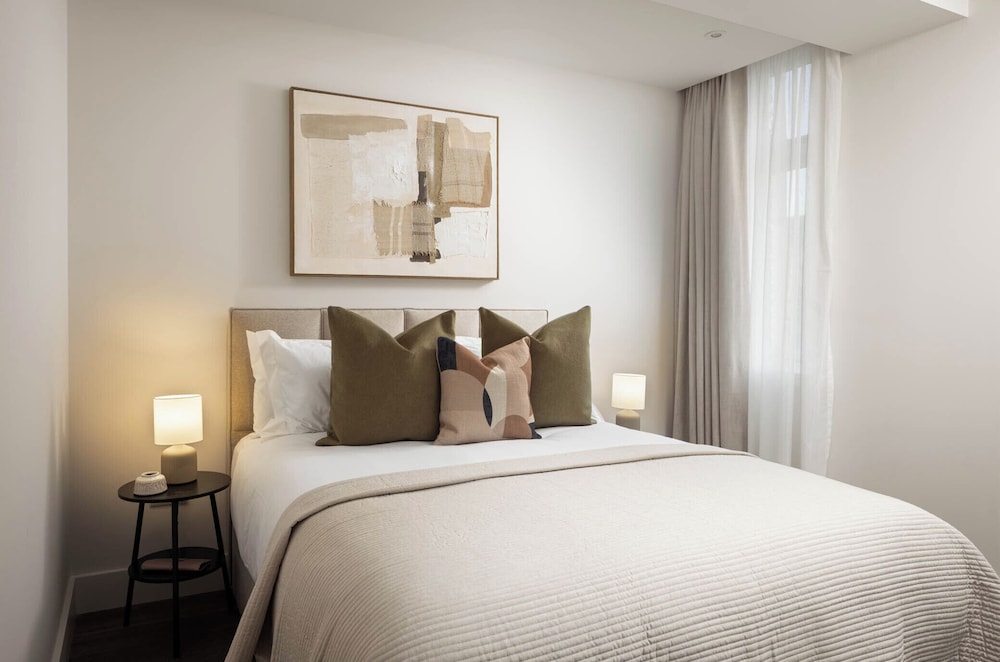
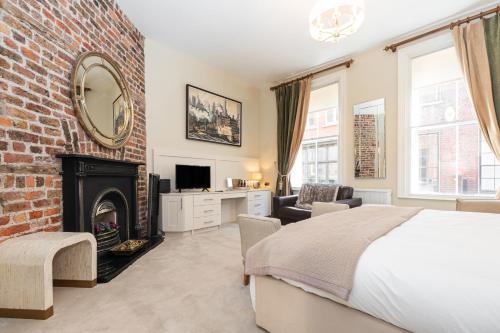
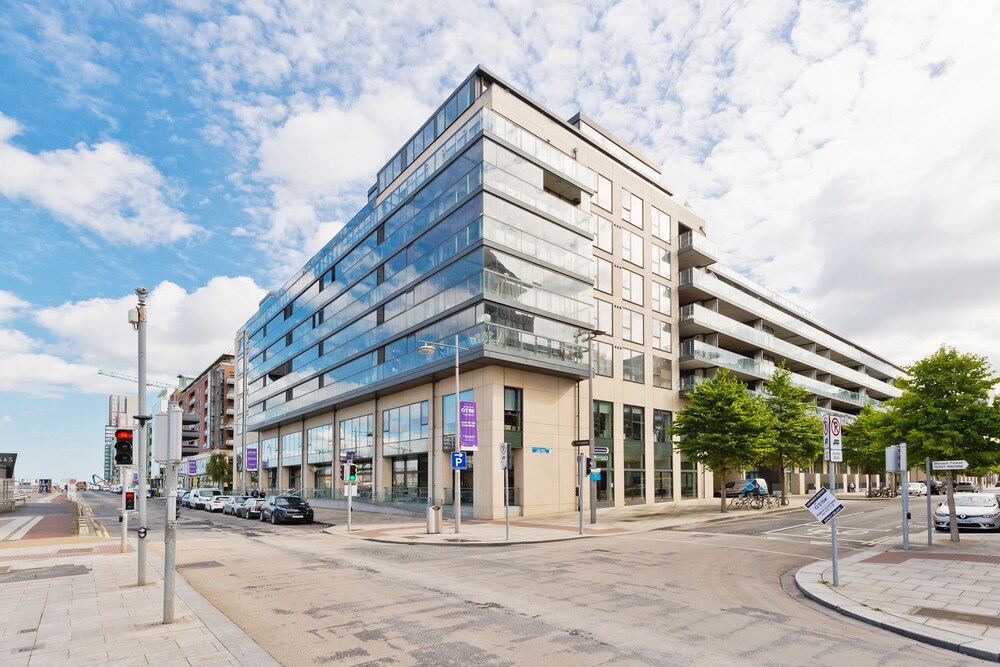
Hotels we cover across Dublin City
- Hazelbrook Lodge 3★
- Heart of Dublin 3★
- Herberton Apartments and Leisure Centre 3★
- Heyday Student Living 3★
- Highfield House 3★
- Highfield House Apartments 3★
- Hot Tub Luxe Villa In The Heart Of Dublin 3★
- House With Garden in City Centre 3★
- IFSC Dublin City Apartments 3★
- Ifsc Room 3★
- Immaculate 1 bed Apartment in Dublin 1 3★
- Inviting 2BD Flat 15 Mins From Heart of Dublin 3★
- Ivy Albion Apartments 3★
- James Joyce guesthouse 3★
- James Joyce Suite hiphipstay 3★
- Jervis Apartments Dublin City by The Key Collection 3★
- Jervis Place Apartment 3★
- Kgt House 3★
- Killowen 3★
- Kilmainham Square 2 Bedroom Flat 3★
- Kilronan House 3★
- Kingfisher Townhouse 3★
- Lad Lane Apartments 3★
- Large 2bd at trendy Portobello Dublin city centre 3★
More guides to Dublin City
All guides Itineraries · 9 min read
48 Hours in Dublin: A Two-Day Plan Between Temple Bar and Grafton Street
A realistic two-day route through Temple Bar, Grafton Street and the streets between them, with honest advice on timing, crowds and what to book ahead.
 Itineraries · 11 min read
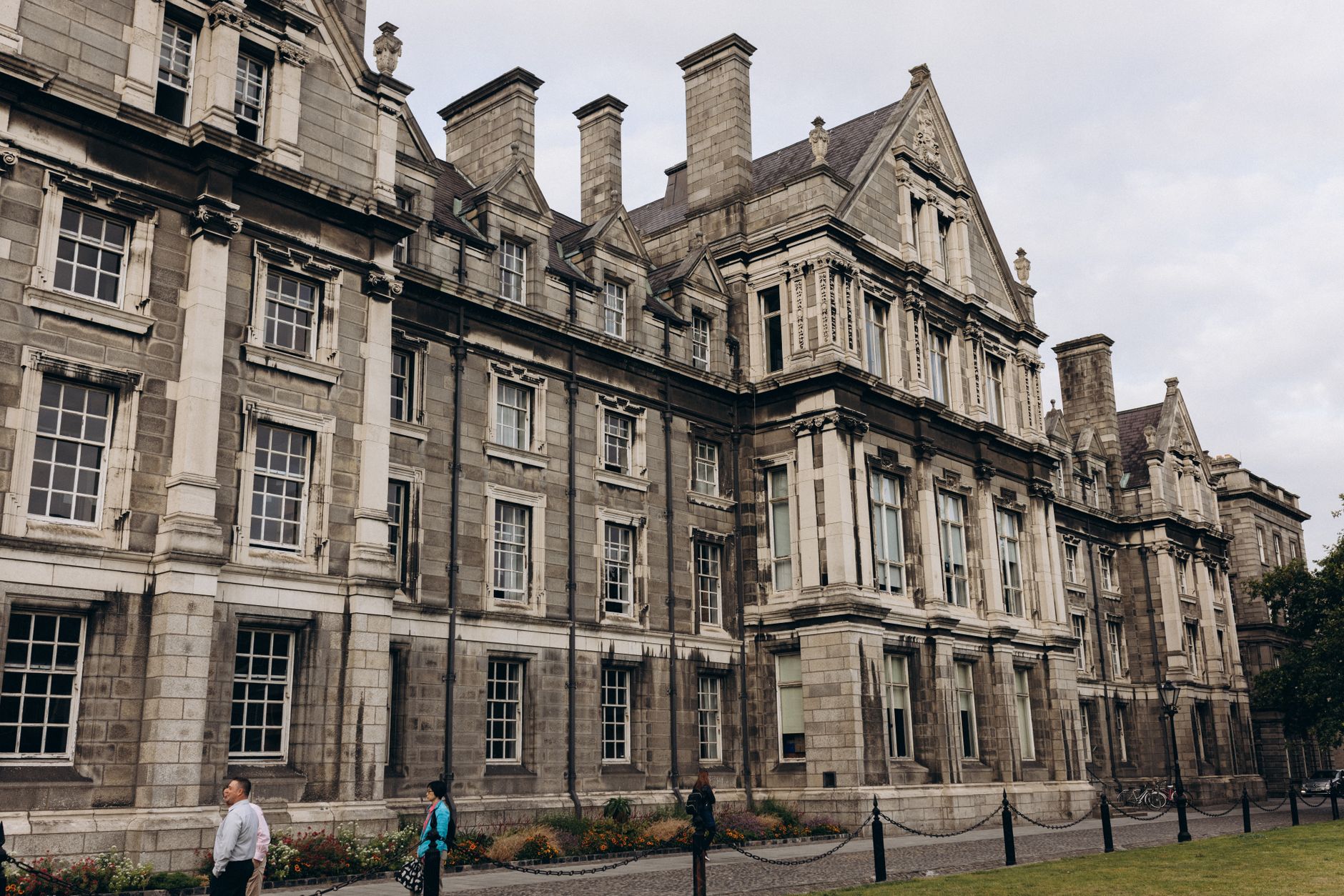
3 Days in Dublin: Trinity College, St Stephen’s Green and the Liffey at an Easy Pace
A relaxed three-day itinerary covering Dublin’s highlights: Trinity College, St Stephen’s Green, the Liffey, and cosy pubs, with honest tips on timing and costs.
 Day trips · 10 min read
Day Trip from Dublin: Malahide, Howth and the Coast by DART
How to use the DART commuter train for a full coastal day out north of Dublin, with realistic timings, ticket options and a plan that works whether you start in Howth or Malahide first.
Hotel prices swing with weekends, matches and concerts. Decide on an area, check two or three dates, and book when the rate looks fair rather than perfect.