Where to Eat in Dublin City: Pubs, Cafes and Market Food by Area
A practical eating guide to Dublin by neighbourhood: what pub food actually costs, where the good cafes are, and how the markets work. Includes Temple Bar, Grafton Street, O’Connell Street and St Stephen’s Green.
 Explore Dublin’s vibrant Temple Bar district, a popular tourist hub with charming architecture and cobblestone streets.
How Dublin Eating Works: A Quick Orientation
Dublin is compact enough that you can eat in three different neighbourhoods in one day without much effort. The city centre splits roughly into Temple Bar (tourist-heavy, late-opening, expensive), Grafton Street and St Stephen’s Green (shopping plus a solid cafe and lunch scene), O’Connell Street (busy, cheaper, more grab-and-go) and then the residential edges like The Liberties, Smithfield, Rathmines and Ranelagh, where locals actually eat. If you are staying a few nights, split your meals between the centre and one of those residential areas.
Meal timing matters. Lunch is the value meal almost everywhere: a pub carvery or a lunch special will typically be well under what the same kitchen charges after 6pm. Dinner bookings are wise Thursday to Saturday in the better-known places, and Sunday lunch is its own busy slot. Kitchens often close earlier than the bar, so a 9.30pm arrival may mean drinks only. Ask when you book or check the door before you commit.
Expect roughly EUR 15-22 (USD 16-24) for a main course in a mid-range pub, EUR 8-14 (USD 9-15) for a cafe lunch, and considerably more in the polished restaurants around St Stephen’s Green. Add 10-15% for a tip if service was good; it is not compulsory but it is normal. Tap water is free and fine. Prices rise in Temple Bar specifically, so treat it as a place for one drink and atmosphere rather than your main meal.
Temple Bar: Pub Food, Late Kitchens and What It Costs
Temple Bar is the most photographed eating and drinking district in the city, and it is priced accordingly. You will find Irish stew, fish and chips, burgers and seafood chowder on nearly every menu, plus live music from early evening. The honest advice: eat here once for the experience, choose a place with a visible menu and prices at the door, and avoid anywhere with a person outside hustling you in. The quieter lanes off the main strip are usually better value than the front row.
Portions in Temple Bar pubs tend to be large, which partly justifies the price. Fish and chips and the beef-based dishes are the safest orders; anything described as a tasting plate is usually small for the money. Expect roughly EUR 18-26 (USD 20-28) for a main here versus EUR 15-20 a few minutes' walk away. If you want a sit-down dinner with a booking, reserve; walk-ins on a Saturday night can mean a 40-minute wait.
For breakfast, Temple Bar is surprisingly good: several cafes open early and serve porridge, soda bread toast and full Irish plates to a mix of tourists and people heading to work. Coffee quality varies wildly, so look for a machine and a queue of locals rather than a sign. Late night, the food options narrow to chips, pizza slices and pub kitchens that stay open to about 9 or 10pm. Ask your accommodation what is open near closing time.
Grafton Street and St Stephen’s Green: Cafes and Lunch
The Grafton Street area is the city’s shopping spine, and its food scene follows: department store cafes, chain coffee, a few excellent independent bakeries and a cluster of good lunch spots on the side streets (particularly around South Anne Street and Duke Street). This is where to come for a proper sit-down lunch between shopping stops, a decent flat white and a pastry, or an early dinner before a theatre show. The park at St Stephen’s Green is the obvious place to take a takeaway sandwich on a dry day.
St Stephen’s Green itself is ringed by hotels and restaurants that range from smart to formal. If you want one nice meal in Dublin, this is a reasonable area to book it: expect roughly EUR 30-45 (USD 33-49) for a main in the better rooms, and set lunch menus that undercut dinner noticeably. The Green’s shopping centre food hall is the practical middle ground: multiple counters, no booking, something for children and fussy eaters, and shorter waits than a full restaurant.
Breakfast and brunch are strong around here. Weekends bring queues outside the popular brunch spots from about 10am, so arrive early or eat later. Irish staples to try at least once: a full Irish breakfast, boxty (potato pancake), smoked salmon on brown bread and brown soda bread with butter. Vegetarian options are widely available but check that the 'full Irish' can be done meat-free, as not every kitchen will swap items without charging.
O’Connell Street: Fast, Cheap and Open Late
O’Connell Street and the streets running off it are the busiest, most practical eating zone in the city. You will find fast food, bakeries, sandwich chains, Asian noodles, kebabs and a handful of old-school cafes and chip shops. It is not the place for a memorable dinner, but it is where to eat quickly and cheaply, especially if you are arriving at or leaving from the bus stations nearby or catching a late connection.
Value here is genuinely better than Temple Bar: a filling lunch for EUR 7-12 (USD 8-13) is realistic. The trade-off is atmosphere and, at peak times, crowds and noise. Look one or two streets back from the main road (towards Henry Street or Parnell Street) for better food at similar prices, including a strong cluster of Chinese, Korean and Middle Eastern places. Parnell Street in particular is where locals go for a cheap, good bowl of noodles.
Late night, this is your best bet for food after a show or a long day. Chip shops and takeaways keep going well past midnight, and several sit-down places serve until about 10pm. Cash is rarely needed, but small independent takeaways sometimes prefer it. If you are travelling with children, the chain restaurants here are predictable, have high chairs and will not blink at a messy table, which counts for a lot after a long day of walking.
The Liberties and Smithfield: Markets and Local Kitchens
The Liberties, west of the city centre around the cathedral district, is where Dublin’s food identity lives: old markets, butcher shops, bakeries and a growing number of small restaurants and coffee roasters in converted buildings. It is walkable from Temple Bar in about 15 minutes and much cheaper. Come with an appetite and no strict plan; the pleasure here is wandering between stalls and small kitchens rather than booking one famous name.
Smithfield, just north of The Liberties, has a cluster of cafes and casual restaurants around its square, plus a couple of good spots for brunch. It is quieter than the centre and the prices reflect it. Expect a coffee and pastry for around EUR 6-8 (USD 7-9) and a casual lunch main for EUR 12-16 (USD 13-18). Several places here roast their own beans, so it is a good area for a proper coffee stop rather than a rushed chain cup.
Market days vary by site, so check locally or ask your host rather than assuming a Saturday market. When markets are running, go early for the best produce and fewer crowds, bring small notes or a card that works contactless, and expect some stalls to be cash-friendly. Food stalls are generally relaxed about children. If you are self-catering, this area is the best in the city for buying bread, cheese and cured meats to take back to your room.
Rathmines, Ranelagh and Ballsbridge: Where Locals Eat
Rathmines and Ranelagh, south of the Grand Canal, are residential villages with genuinely good neighbourhood restaurants: Italian, Thai, modern Irish, bakeries and gastropubs. Prices are lower than the centre and the atmosphere is calmer. Ranelagh in particular has a tight cluster of places around its main street, making it easy to compare menus on foot before choosing. Both are a short bus or tram ride from the city centre and worth the trip for dinner.
Ballsbridge, further east around the embassy district, is smarter and pricier, with hotel restaurants and steakhouses alongside a few relaxed cafes. It suits a special dinner or a long Sunday lunch rather than a quick bite. Book ahead for weekend evenings and for anything near a big match or event at the nearby stadium, when tables and taxis both get scarce. Expect roughly EUR 25-40 (USD 27-44) for a main in the better Ballsbridge rooms.
For families, these suburbs are easier than the centre: more space, more high chairs, and restaurants used to early dinners. Children’s menus are common but not universal; ask. If you are staying in Rathmines or Ranelagh, you can eat well for a whole week without repeating a place, which is a real argument for basing yourself slightly outside the tourist core and travelling in.
Vegetarian, Dietary Needs and Kids
Dublin has become much better for vegetarian and vegan eating in recent years, but the quality is uneven. The centre has several fully vegetarian and vegan cafes, mostly around Grafton Street and the streets north of the Liffey. Elsewhere, expect one or two veggie options per menu rather than a dedicated section. It is normal to ask what can be adapted, and most kitchens will help if you ask before ordering rather than after.
Coeliac and gluten-free travellers should be direct: say 'coeliac' rather than 'gluten-free' if that is the medical situation, because the distinction is understood and taken more seriously. Pub kitchens can struggle with cross-contamination in fried food, so ask whether the fryer is shared. Larger restaurants and hotel dining rooms are generally more reliable than small cafes at busy times. Carry a card in writing if your needs are strict.
Children are welcome almost everywhere, but the practicalities vary. Pubs generally allow children until around 9pm (some earlier), and many serve smaller portions on request even without a printed kids' menu. High chairs are common in the suburbs and less reliable in tiny city-centre cafes. If you need a quick, calm meal with young children, aim for lunch rather than dinner and choose a place with a door onto the street.
Practical Tips: Booking, Tipping and Budgeting
Book ahead for dinner Thursday to Sunday in the better-known places, and always for groups of six or more. Lunch is usually walk-in friendly. Many restaurants take bookings online, which is faster than phoning. If a place is fully booked, ask about the bar or counter seats; several Dublin kitchens keep a few unreserved spots for exactly this. Cancellations happen, so a polite call on the day sometimes works.
Budget roughly EUR 45-70 (USD 49-77) per person per day for food if you mix cafes, pub lunches and one modest dinner, and more if you drink. Alcohol in the centre is expensive: a pint in Temple Bar can run EUR 7-8 (USD 8-9), and wine by the glass is often poor value. Supermarkets and convenience stores sell good bread, cheese and fruit for a picnic, and the parks are free to sit in, which is the single easiest way to cut your food spend.
Tipping is discretionary; 10-15% is normal in restaurants with table service, and nothing is expected at counters. Service charges are sometimes added to bills for larger groups, so check before adding a tip. Cards and contactless are accepted nearly everywhere, though a few small market stalls and older chip shops prefer cash. Prices quoted on menus include VAT, so the number you see is broadly the number you pay, plus any tip.
Frequently asked questions
What people ask before they set off on this one.
It is genuinely atmospheric and worth one meal or a drink for the live music and the look of the streets, but it is the most expensive eating area in the city. Choose a place with prices displayed outside, avoid anyone hustling you in, and treat it as an experience rather than your everyday dinner. You will eat better and cheaper 10 minutes' walk away.
Roughly EUR 15-22 (USD 16-24) for a main course in a mid-range pub, with Temple Bar at the top of that range and the suburbs below it. Lunch specials and carveries are usually cheaper than the same dish at dinner. A pint alongside will add EUR 6-8 (USD 7-9) in most places.
There are several fully vegetarian and vegan cafes around Grafton Street and north of the Liffey, and most mid-range restaurants now offer at least one vegetarian main. Ask what can be adapted rather than relying on the menu alone. It is worth checking reviews for recent visits, as individual kitchens change often.
Many kitchens close earlier than the bar, often around 9pm on weekdays and 10pm at weekends, so a late arrival can mean drinks only. Fast food and takeaways around O’Connell Street run much later. If you are eating after 9pm, check the kitchen hours before you sit down or book an earlier table.
For dinner Thursday to Sunday in well-known places, yes, especially for groups. Lunch is usually fine to walk into. Book online a few days ahead if you have a specific restaurant in mind, and ask about bar or counter seats if the tables are full. A call on the day often turns up a cancellation.
No. Market days vary by site and some are weekend-only, so check locally or ask your accommodation rather than assuming. When markets are running, arrive earlier for the best produce and smaller crowds, and bring a card that works contactless as well as a little cash. Food stalls are generally relaxed about children.
Tipping is discretionary. Around 10-15% is normal in restaurants with table service, and nothing is expected at counters or takeaways. Check whether a service charge has already been added for a larger group before you add a tip. Cards and contactless are accepted almost everywhere in the city.
Hotels in Dublin City
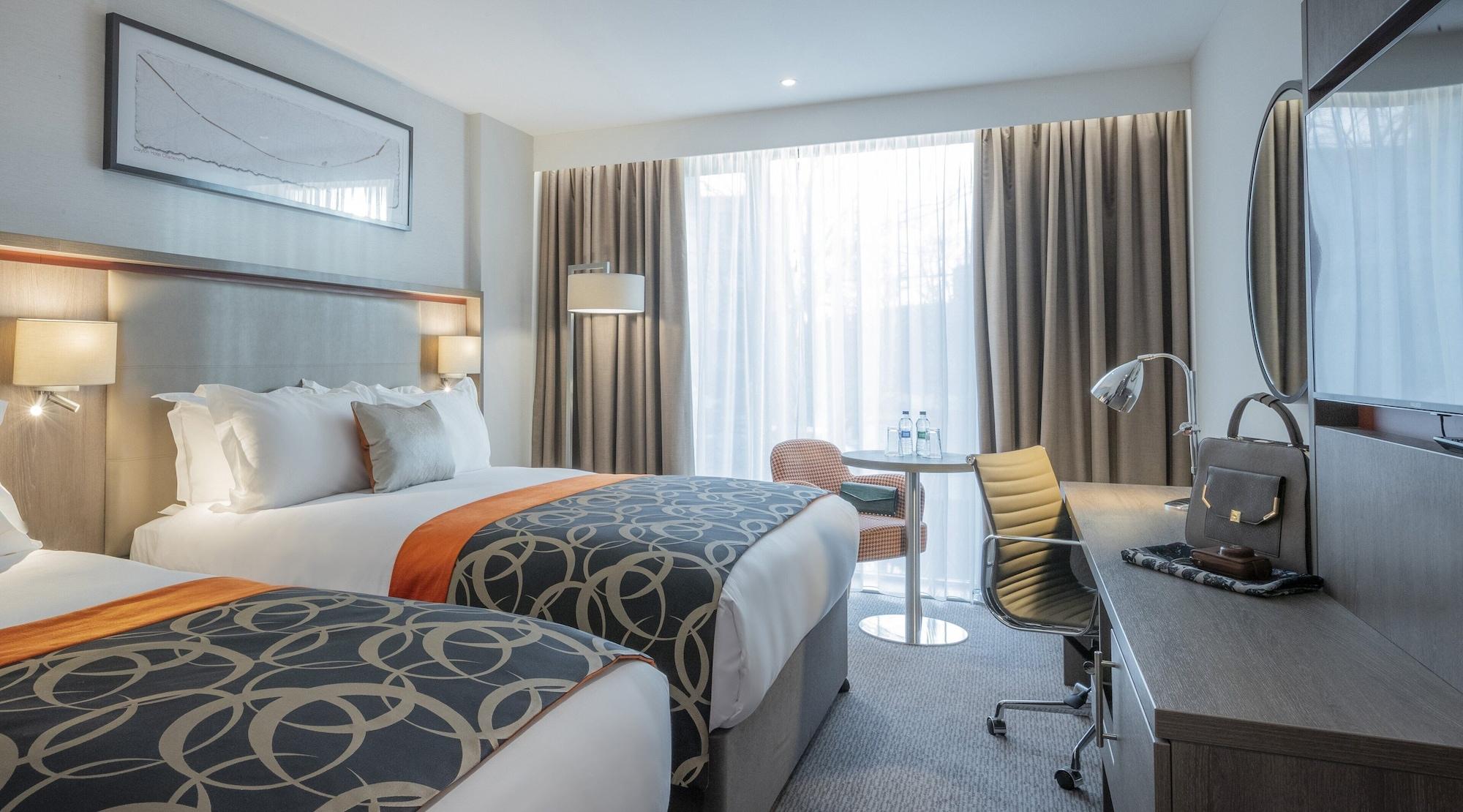
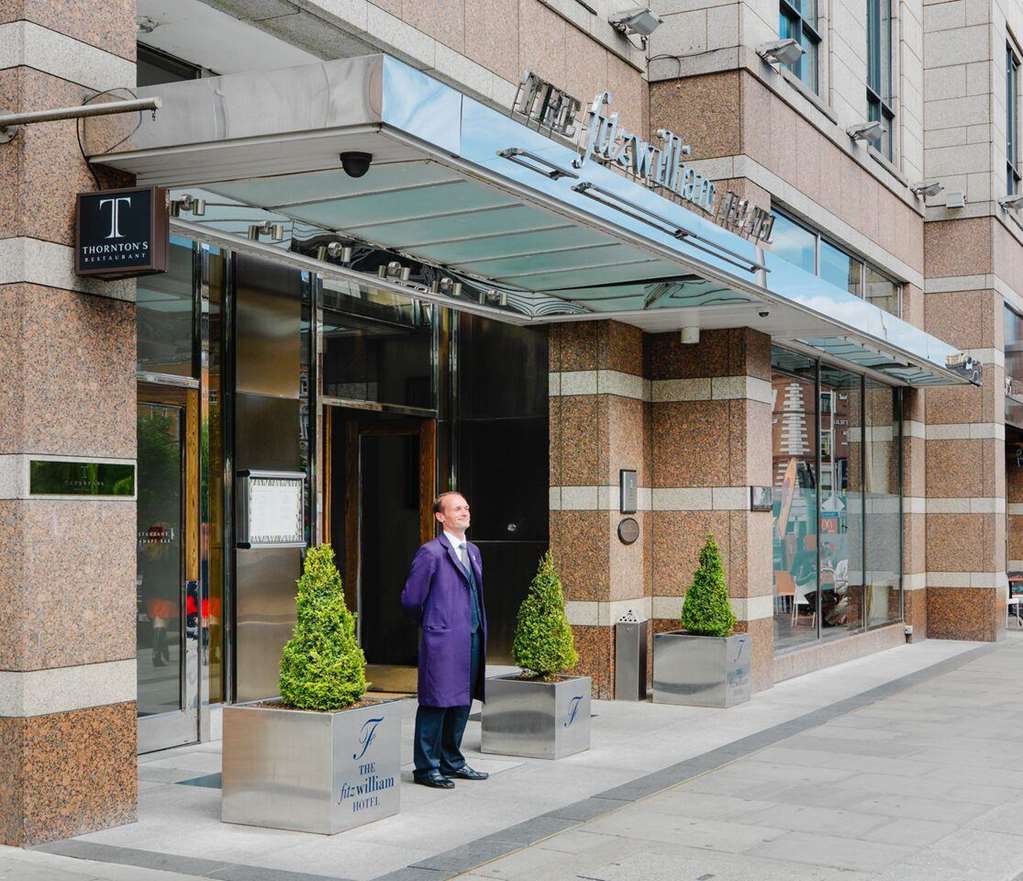
Hotels we cover across Dublin City
- The Morgan Hotel 4★ · 4.3/5
- The Sandymount Hotel 4★ · 4.3/5
- The Spencer Hotel 4★ · 4.3/5
- Trinity City Hotel 4★ · 4.3/5
- Hampton by Hilton Dublin City Centre 3★ · 4.3/5
- Hampton Hotel 3★ · 4.3/5
- Harry Clarke Mews at the Castle Hotel 3★ · 4.3/5
- Premier Inn Dublin Gloucester St South 3★ · 4.3/5
- Premier Inn Dublin Temple Bar 3★ · 4.3/5
- Sonder Mountjoy Square 3★ · 4.3/5
- StayIreland Botanic Road 3★ · 4.3/5
- Tom Dick and Harriet’s 3★ · 4.3/5
- Wynn’s Hotel 3★ · 4.3/5
- Barry’s Hotel 2★ · 4.3/5
- O’Shea’s Merchant 1★ · 4.3/5
- The Clarence 5★ · 4.2/5
- Ballsbridge Hotel 4★ · 4.2/5
- Clayton Hotel Ballsbridge 4★ · 4.2/5
- Dublin One Hotel 4★ · 4.2/5
- Hilton Dublin 4★ · 4.2/5
- Maldron Hotel Smithfield Dublin City 4★ · 4.2/5
- Marlin Hotel Stephens Green 4★ · 4.2/5
- NYX Hotel Dublin Portobello 4★ · 4.2/5
- The Hendrick Smithfield 4★ · 4.2/5
More guides to Dublin City
All guides Itineraries · 9 min read
48 Hours in Dublin: A Two-Day Plan Between Temple Bar and Grafton Street
A realistic two-day route through Temple Bar, Grafton Street and the streets between them, with honest advice on timing, crowds and what to book ahead.
 Itineraries · 11 min read
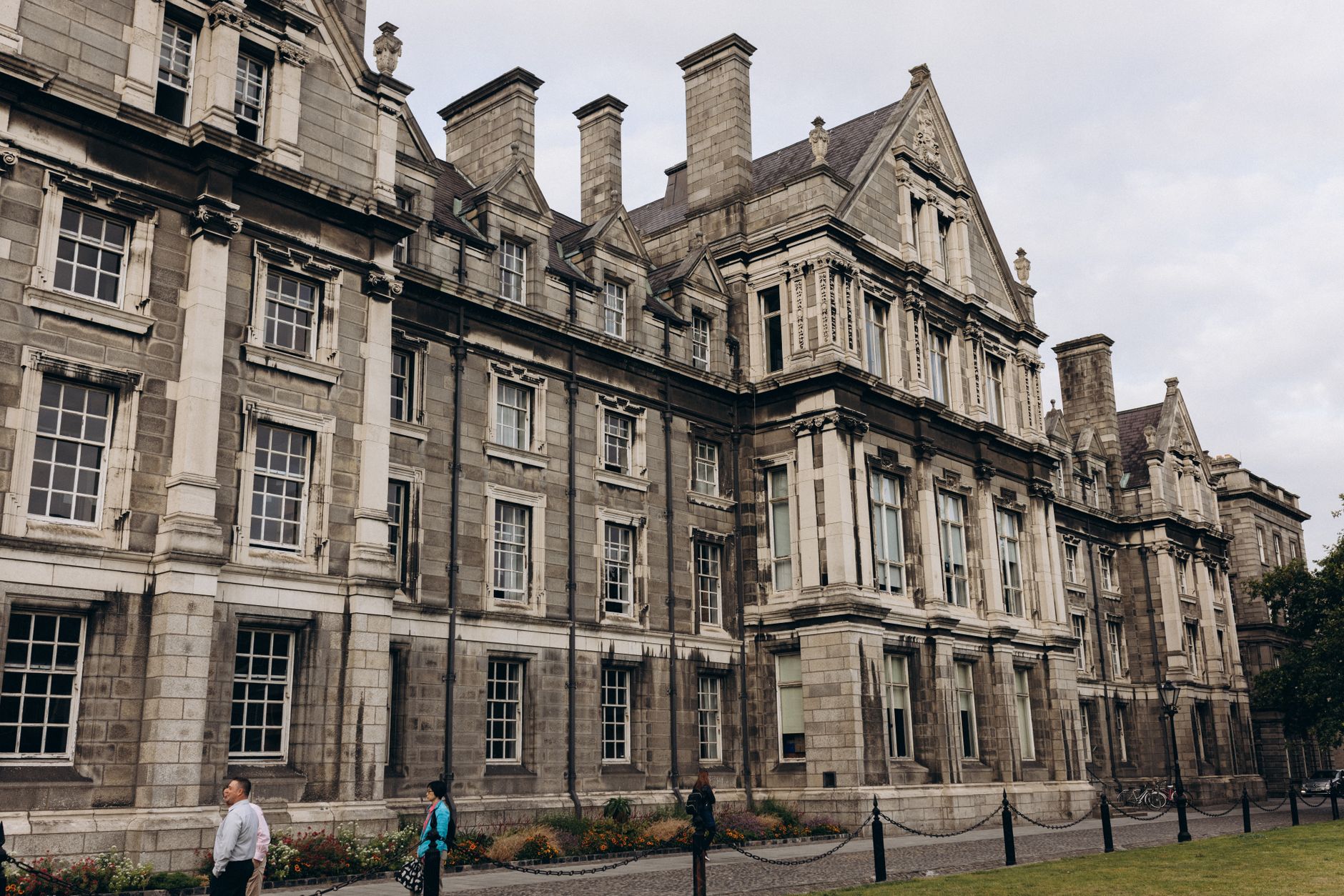
3 Days in Dublin: Trinity College, St Stephen’s Green and the Liffey at an Easy Pace
A relaxed three-day itinerary covering Dublin’s highlights: Trinity College, St Stephen’s Green, the Liffey, and cosy pubs, with honest tips on timing and costs.
 Day trips · 10 min read
Day Trip from Dublin: Malahide, Howth and the Coast by DART
How to use the DART commuter train for a full coastal day out north of Dublin, with realistic timings, ticket options and a plan that works whether you start in Howth or Malahide first.
Hotel prices swing with weekends, matches and concerts. Decide on an area, check two or three dates, and book when the rate looks fair rather than perfect.