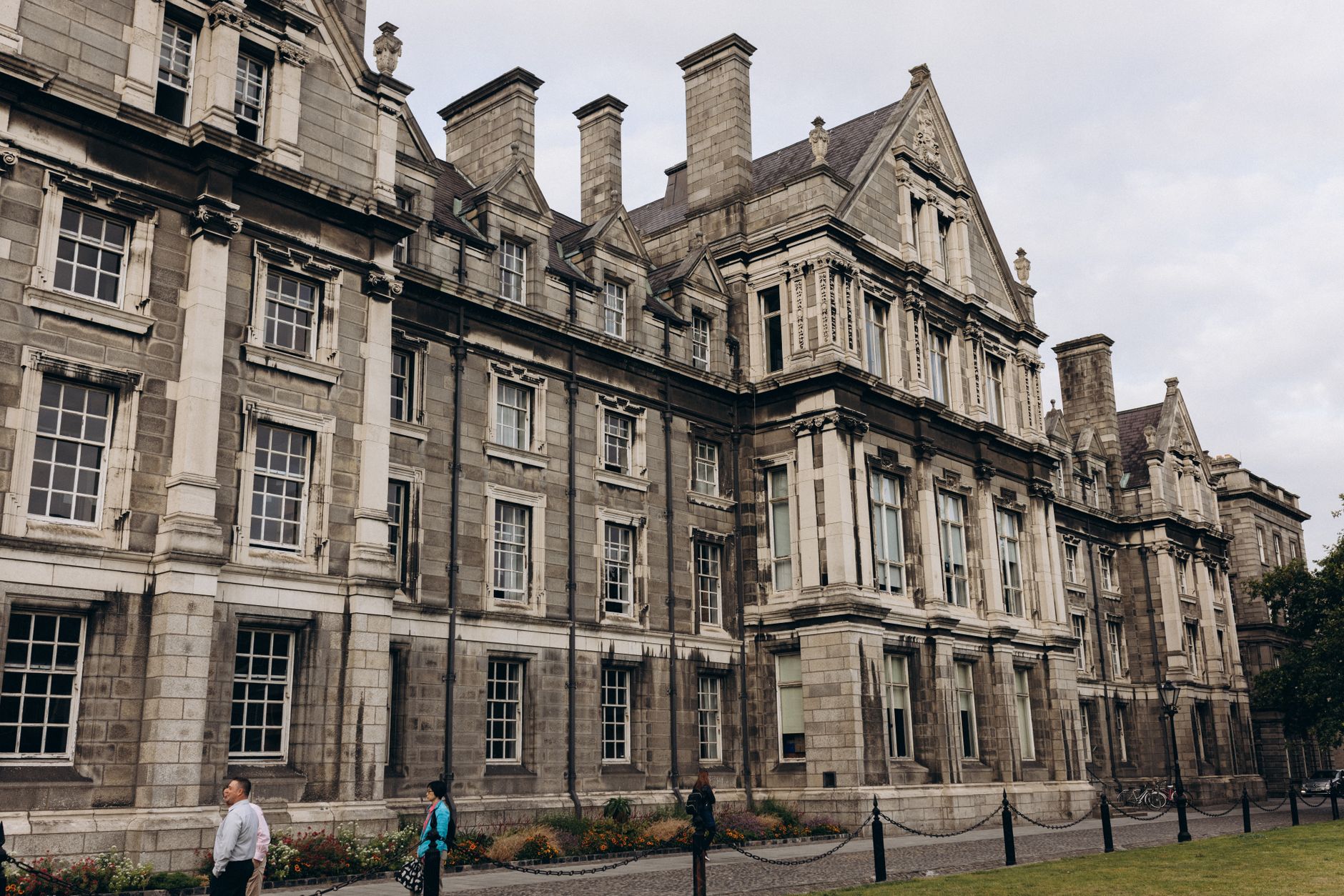
Smithfield
A wide old market square on the north bank of the Liffey, with whiskey heritage, a filmhouse and real neighbours rather than tour crowds.
 Smithfield
Why people stay in Smithfield
Smithfield sits on the north bank of the Liffey, roughly a fifteen-minute walk west along the quays from O’Connell Street and the Ha’penny crossing. It grew around a broad open square that has served as a horse market, a fruit and vegetable market and a public gathering place over the centuries. Today the square itself is a mix of wide paving, a couple of larger buildings and a Luas stop, with streets of red-brick and old industrial buildings fanning out to the north and east. It is not a district built for visitors, which is a big part of the appeal: you get a working city neighbourhood with history layered right through it.
This area suits people who want to be close to the centre without sleeping inside it. Couples on a long weekend, solo travellers who like old pubs with actual conversation, and anyone drawn to whiskey, design or film will find plenty within a few minutes' walk. It does not suit travellers who want everything on the doorstep or who are nervous walking quiet streets after dark — parts of the surrounding blocks are genuinely quiet at night, and some side streets are plain and unglamorous. Families with small children will find it manageable but not especially geared to them.
By day Smithfield feels functional. Locals cut across the square on the Luas, delivery vans pull up outside the older buildings, and the coffee shops and bakeries near the square get a steady trickle rather than a queue. Market days and weekend events on the square can fill it suddenly. In the evening the tone shifts: the pubs and restaurants light up, the distillery and the cinema draw a mixed crowd, and by eleven or so the streets empty out quickly. It has a nightlife, but it is compact and mostly concentrated in a handful of blocks.
The square is the anchor, with its Luas line running across it and the old market buildings at the northern end. Around it run streets of eighteenth- and nineteenth-century housing plus former industrial buildings, some converted to apartments and studios, others still plain. The area edges onto Stoneybatter to the north-west, where the streets are lined with small terraced houses and neighbourhood shops. Everyday life here is genuinely everyday: a post office, a couple of convenience shops, schools, and people walking dogs across the square. It is a place you can stay for a week and feel like you live there.
Food in Smithfield leans casual and good rather than formal. There are bakeries and coffee places near the square, a handful of restaurants serving everything from pizza to modern Irish cooking, and pubs that do solid bar food. The nearby Stoneybatter strip adds more options: small cafés, a greengrocer or two, and pubs with a local rather than tourist trade. For a proper market experience, the fruit and vegetable market building north of the square is historic and worth a look from outside even when it is not open to the public. Expect to eat well without paying city-centre prices.
Dublin weather is changeable all year, and Smithfield’s open square means wind and rain hit you directly. Spring and early autumn are the sweet spots: long evenings, mild temperatures, and enough dry spells to walk the neighbourhood comfortably. Summer brings the best light and the busiest weekends, with outdoor events on the square. Winter is dark by half four but the pubs and the distillery make it cosy, and hotel rates drop noticeably outside peak weekends and around major events. Bring a rain jacket over an umbrella; the wind across the square will destroy the latter.
Hotels here tend to be mid-range to upper-mid, with a few design-led and apartment-style options. Expect roughly €130 to €200 a night for a good double outside peak periods, and €220 or more on busy weekends, major events or bank holidays. Budget and hostel beds sit below that. Food and drink are cheaper than in Temple Bar and Grafton Street: a pub dinner and a couple of drinks will usually cost less than a comparable meal a kilometre east. The Luas makes it easy to skip taxis, which keeps daily costs down.
Know that Smithfield is a real neighbourhood, not a tourist quarter, so some shops close early and not every street is pretty. The Luas runs right across the square, which is handy but means you should watch for trams. Parking is limited and mostly paid on-street or in a couple of car parks, so a car is more burden than help here. Book direct with hotels where you can and ask about tram noise if your room faces the square. Cash is not needed much, cards are fine nearly everywhere, and tipping in restaurants is normal.
The best place to stay in Smithfield is within a few minutes of the square itself, on the quieter side streets running north and east toward Stoneybatter and Grangegorman. Rooms facing the square are convenient for the Luas and for restaurants but can pick up tram noise and late-night chatter, so ask for a higher floor or a rear-facing room. The Stoneybatter side is calmer in the evening and gives you a village-like strip of cafés and pubs within a short walk. The quays side, toward the Liffey, is busier with traffic but puts you closer to the city centre for walking. Hotel stock is a mix of design-led mid-range hotels, a few larger chains, and serviced apartments that suit longer stays; there are budget options but not a huge number of them. Expect roughly €130 to €200 for a good double outside peak times, higher on event weekends, and less for budget rooms. Book early for summer and for weekends when big events are on in the city.
Things to do in Smithfield

Start at the Luas stop and walk the full length of the square, looking at the old market buildings at the northern end and the mix of red-brick and industrial architecture around the edges. It takes about fifteen minutes at an easy pace, longer if you stop for coffee. Best in the morning when locals are crossing on their way to work and the light is soft. Bring a jacket, as the square is open and windy.

Smithfield has a long association with distilling, and the area’s whiskey history is one of its strongest draws. Several local venues run tours and tastings; check ahead for times and book in the afternoon or early evening. Allow about an hour and a half, and eat beforehand, as tastings go down better with food. Ask about the smaller, less crowded slots if you want to actually hear the guide.
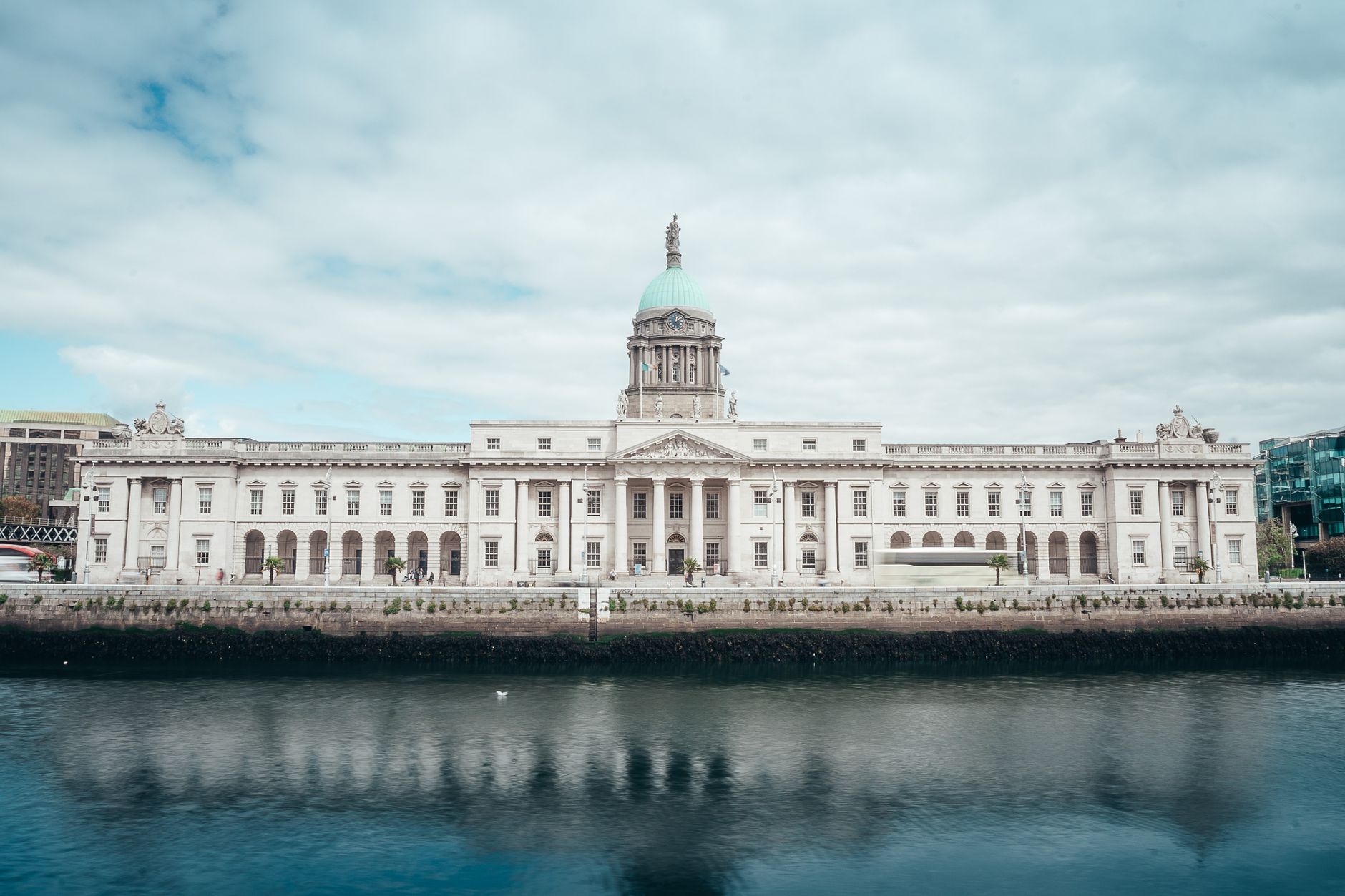
The area’s cinema is a local institution, showing a mix of new releases and independent films in a building with real character. It is a good rainy-day plan and a way to spend an evening without a big bill. Check the schedule online, arrive early for a drink at the bar, and sit further back if you want a quieter experience. Tickets are cheaper than the big multiplexes in the city centre.

Walk north-west from the square into Stoneybatter, a strip of small shops, cafés and pubs in low terraced houses. It is the kind of place where you end up stopping three times. Go mid-morning on a weekday for the calmest version, or Saturday for a bit more life. Allow an hour and a half including a coffee stop, and bring a tote bag, as the small food shops are hard to resist.

On weekends the area often hosts markets and outdoor events on and around the square, with food stalls, crafts and a relaxed crowd. It is worth checking what is on before you go, as the programme changes through the year. Arrive in the late morning for the best selection and shorter queues. Bring small change and a reusable cup, and dress for the weather, as most of it happens outside.

The pubs around Smithfield and Stoneybatter are where the neighbourhood actually meets, and several have kept their old interiors rather than turning into theme bars. Go early in the evening for a seat, midweek for the calmest atmosphere, and order at the bar. Food is usually straightforward and reasonably priced. If there is music, it tends to start later; ask at the bar what is on that night.
What to see
Hotels near Smithfield
No hotels are listed in Smithfield yet. The nearest ones are on the region page.


Every hotel we cover in Smithfield
- Henrietta Suites City Centre 3★ · 4.6/5
- North Circular Serviced Accommodation 2★ · 4.6/5
- Point A Dublin The Liberties 3★ · 4.5/5
- Yugo Explore Highfield Park 3★ · 4.5/5
- easyHotel Dublin City Centre 2★ · 4.5/5
- Ashling Hotel Dublin 4★ · 4.4/5
- The Gallary 3★ · 4.4/5
- Hilton Dublin Kilmainham 4★ · 4.3/5
- Hampton by Hilton Dublin City Centre 3★ · 4.3/5
- StayIreland Botanic Road 3★ · 4.3/5
- O’Shea’s Merchant 1★ · 4.3/5
- Maldron Hotel Smithfield Dublin City 4★ · 4.2/5
- The Hendrick Smithfield 4★ · 4.2/5
- Maples House Hotel 3★ · 4.1/5
- Destiny Student Parkgate 3★ · 4/5
- Grangegorman House 3★ · 3.9/5
- Phoenix Park Hotel 3★ · 3.7/5
- Ardmore 3★ · 3.5/5
- LIVStudent Dublin 2★ · 3.3/5
- Stoneybatter Self Catering 2★ · 1/5
- 1BD City Pad Shop & Stroll 4★
- 2BR Dublin Apt Balcony Plants & Electric Piano 4★
- Birch at Inchicore 4★
- Dublin City Centre Tourists and Professionals 4★
Getting around Smithfield
Smithfield is easy to reach from Dublin Airport by taxi or app, which typically takes around thirty to forty-five minutes depending on traffic, or by bus into the city centre followed by a short walk or a Luas hop. The Luas Red Line runs straight across the square, connecting the area to the city centre, Heuston Station and the docklands, and it is the most useful transport option here. Walking is genuinely practical: O’Connell Street is about fifteen minutes east, Temple Bar around twenty, and the Grafton Street area twenty-five or so. Taxis and ride apps are easy to find around the square in the evening. Driving is possible but not rewarding: parking is limited, mostly paid on-street or in a couple of car parks, and the one-way streets around the quays confuse visitors. If you do drive, check whether your hotel has parking before booking. Bikes are a good option, with bike-share stations nearby and mostly flat routes. At night the streets between the square and the centre are quiet, so stick to lit main roads.
Questions about Smithfield
It works well if you want a calmer base within walking distance of the centre. O’Connell Street is about fifteen minutes on foot and the Luas connects you quickly to the rest of the city. It is less convenient if you want to step out of your hotel into nightlife, since the area is quiet after about eleven. First-timers who value sleep and local atmosphere over being in the middle of everything tend to like it.
Temple Bar is roughly a twenty-minute walk east along the quays, and Grafton Street about twenty-five minutes via the river and Capel Street or O’Connell Bridge. The Luas Red Line makes the trip faster and connects to the city centre. Taxis for these short hops are cheap but often slower than walking in traffic. Most guests walk into the centre in the morning and take the tram back in the evening.
Expect roughly €130 to €200 a night for a good double outside peak periods, with rates rising to €220 or more on busy weekends, bank holidays and during major city events. Budget rooms and hostels cost less. Booking direct with the hotel and travelling midweek in spring or autumn usually gives the best value. Always check whether breakfast and cancellation terms are included, as headline rates can be misleading.
The main square and the streets around the pubs and restaurants are busy enough in the evening and feel fine for normal city caution. Some side streets and the walk toward the quays get very quiet after about eleven, so stick to lit main routes and use taxis for late nights if you are unsure. As anywhere in a city, keep an eye on your bag and avoid unlit shortcuts. Ask your host which streets they would walk at night.
No, and a car is more of a burden than a help here. The Luas crosses the square, the city centre is walkable, and parking is limited and mostly paid. If you are touring outside Dublin, pick up a rental car on the day you leave rather than keeping one in the city. Heuston Station, for trains to the west and south-west, is a short tram ride away.